

Contents
2026 TREND GUIDE
Sleep deprivation has reached epidemic proportions. According to the Centers for Disease Control, approximately 35% of American adults and 36% of British adults regularly get less than the recommended seven to nine hours of sleep per night. The consequences extend far beyond daytime tiredness: chronic sleep deprivation is associated with significantly elevated risks of cardiovascular disease, type 2 diabetes, obesity, depression, anxiety, and cognitive decline. Improving your sleep quality is not a lifestyle luxury — it is a fundamental health imperative.
The good news is that most sleep quality issues are addressable without medication or specialist medical intervention. The twenty-five strategies in this guide are drawn from the most current sleep science research, clinical guidance from sleep medicine practitioners, and the practical experiences of thousands of people who have successfully transformed their sleep. They are organised into five key domains: sleep environment, sleep schedule, pre-sleep routine, daytime behaviours, and technology and tools.
❝ “Sleep is the single most effective thing we can do to reset our brain and body health. It is the foundation upon which all other health behaviours are built.” — Professor Matthew Walker, Sleep Scientist ❞
DOMAIN 1: OPTIMISING YOUR SLEEP ENVIRONMENT
1. Temperature: The Most Critical Environmental Variable
The temperature of your sleep environment is arguably the most important and most controllable factor in sleep quality. Research from Harvard Medical School and the Sleep Research Society consistently identifies the optimal bedroom temperature range for quality sleep as between 60-67°F (15-19°C) — significantly cooler than most people’s default room temperature. The reason is physiological: your core body temperature needs to drop by approximately 1-2°F to initiate and maintain quality sleep. A cool room supports this process; a warm room fights against it.
Practical approaches to achieving the optimal sleep temperature in 2026 include: a smart thermostat programmed to lower the bedroom temperature by 2-3°F approximately one hour before your target bedtime; a ceiling fan running on low speed to create gentle air movement that enhances evaporative cooling; breathable, thermoregulating bedding in linen, bamboo, or moisture-wicking Tencel fabrics; and a cooling mattress topper or a mattress with active temperature regulation technology, which is one of 2026’s most effective sleep technology investments.
PRO TIP: Even if you cannot cool your entire home, cooling just your bedroom makes a significant difference. A small, quiet portable air conditioner or a fan running overnight can transform sleep quality in warm climates or during summer months.
2. Darkness: Creating a True Sleep Environment
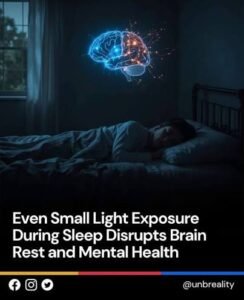
Light is the most powerful external regulator of the human circadian rhythm — the internal biological clock that governs sleep-wake cycles, hormone release, metabolism, and dozens of other physiological processes. Even small amounts of light exposure during the sleep period can suppress melatonin production and disrupt sleep architecture, reducing the proportion of restorative deep sleep and REM sleep in the sleep cycle. Creating genuine darkness in your bedroom — beyond simply turning off overhead lights — is a high-impact, low-cost sleep improvement strategy.
True bedroom darkness in 2026 means: blackout curtains or blinds that block all external light (including streetlights and car headlights); removal or covering of all light-emitting devices in the bedroom (phone charging indicators, TV standby lights, clock displays); and ensuring that light does not enter under the door from hallways or adjacent rooms. An eye mask is the simplest and cheapest solution for those who cannot achieve full room darkness — modern sleep masks, contoured to fit the face without touching the eyes, provide near-complete light blocking without discomfort.
3. Sound: Managing the Acoustic Environment
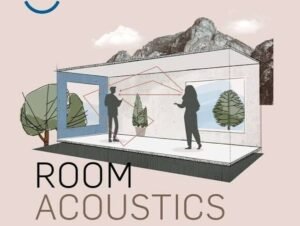
While complete silence is not necessary for good sleep — and many people actually sleep better with consistent background sound than in complete silence — unpredictable or intermittent sound is among the most potent sleep disruptors. Research demonstrates that noise-induced sleep fragmentation is often more damaging to sleep quality than the same total duration of continuous noise, because the brain is forced to perform threat assessment with each novel sound, activating the arousal system and potentially preventing re-entry into deep sleep stages.
The 2026 evidence-based approach to sleep sound management includes: white noise or brown noise generators, which create a consistent acoustic blanket that masks unpredictable ambient sounds; smart earplugs specifically designed for sleep, which reduce environmental noise without the discomfort of traditional foam earplugs; and acoustic bedroom improvements such as thick rugs, heavy curtains, and upholstered furniture, which absorb rather than reflect sound within the room.
★ Regular white noise use reduces the time to fall asleep by an average of 38% in urban environments with ambient noise (Journal of Caring Sciences, 2024).
4. Bedding Quality: The Foundation of Physical Comfort
The tactile quality of your sleep surface and bedding has a direct and measurable impact on sleep quality. A mattress that creates pressure points, runs hot, or has degraded in support quality will fragment sleep, cause nighttime position changes, and produce morning stiffness and pain. Similarly, bedding that is too warm, too cold, too scratchy, or insufficiently breathable actively interferes with the body’s natural thermoregulation during sleep. Investing in the right mattress and bedding combination is not a comfort luxury but a sleep science imperative.

5. Air Quality and Scent
Bedroom air quality is an emerging but increasingly important sleep health consideration. High CO2 levels — which accumulate in sealed bedrooms over the course of the night — are associated with reduced sleep quality and increased morning grogginess. Opening a window slightly during sleep (where outdoor air quality permits) can meaningfully improve indoor air quality and sleep outcomes. An air purifier designed for overnight bedroom use — with a true HEPA filter and a silent or near-silent operation mode — is one of 2026’s most recommended sleep environment investments.

Aromatherapy as a sleep aid had growing scientific support in 2026. Lavender essential oil has the strongest evidence base of any scent for promoting sleep onset and improving sleep quality — multiple controlled trials have demonstrated its efficacy through inhalation exposure during the sleep period. A ceramic diffuser or a lavender-infused pillow mist applied ten minutes before sleep is a safe, affordable, and genuinely effective sleep support tool.
DOMAIN 2: SLEEP SCHEDULE AND CIRCADIAN RHYTHM
6. Consistent Sleep and Wake Times: The Foundation
The single most consistently recommended sleep improvement strategy by sleep researchers worldwide is establishing and maintaining consistent sleep and wake times, seven days a week — including weekends. This consistency synchronises and strengthens the circadian rhythm, making sleep onset and wake time more automatic, sleep quality more consistent, and daytime alertness more reliable. The common habit of ‘catching up’ on sleep at weekends, while understandable, actually disrupts the circadian rhythm in a phenomenon sleep scientists call ‘social jet lag’, compounding rather than resolving weekday sleep debt.
❝ “Consistency is the most powerful sleep tool available. A fixed wake time, maintained even after a bad night’s sleep, is the cornerstone of every successful sleep improvement programme.” — Clinical Sleep Psychologist ❞
7. Understanding and Working With Your Chronotype
Your chronotype — whether you are a natural early riser, a natural night owl, or somewhere between — is substantially determined by genetics and is meaningfully resistant to change through willpower alone. Working with your chronotype rather than against it produces significantly better sleep outcomes than forcing a chronotype mismatch. If you are a genuine night owl forced into an early work schedule, strategic interventions — consistent light exposure in the morning, avoiding bright light in the evening, and careful caffeine management — can gradually shift the circadian rhythm earlier, but realistic expectations about the degree of achievable shift are important.
8. Morning Light Exposure
Exposure to bright natural light within thirty to sixty minutes of waking is one of the most powerful and evidence-based tools for improving both morning alertness and evening sleepiness. Morning light exposure suppresses the tail end of the nocturnal melatonin production period, sends a powerful ‘day has started’ signal to the circadian clock, and initiates a timer that will trigger evening sleepiness approximately fourteen to sixteen hours later. In practical terms: open your curtains immediately upon waking, eat breakfast near a window, or take a five-to-ten-minute outdoor walk in the morning light. On overcast days or during winter months when morning light is insufficient, a SAD lamp (10,000 lux) used for twenty to thirty minutes at breakfast can replicate the circadian effect.

9. The Sleep Window: Going to Bed at the Right Time
Timing your bedtime to coincide with your body’s natural sleep window — the period during which sleep pressure (adenosine accumulation) and circadian drive converge to make sleep most accessible — is a fundamentally important but often ignored aspect of sleep scheduling. Going to bed significantly before your natural sleep window (because you are tired, or trying to get more hours) often results in extended periods lying awake in frustration, which can reinforce sleep anxiety and make future sleep onset more difficult. Going to bed after your sleep window has passed can mean fighting through a second wind, making sleep onset difficult even when total sleep deprivation is significant.
DOMAIN 3: PRE-SLEEP ROUTINE AND WIND-DOWN
10. The 90-Minute Wind-Down Protocol
The sleep preparation period — the 90 minutes before your target sleep time — is as important as the sleep period itself. The nervous system cannot transition abruptly from full daytime arousal (screen stimulation, work stress, physical activity) to the relaxed, parasympathetic state necessary for quality sleep onset. A structured 90-minute wind-down period creates the gradual physiological deceleration that supports smooth sleep onset.
An evidence-based 90-minute wind-down protocol in 2026 might include: 90 minutes before bed, switching all lighting in the home to warm, low-level sources (2700K or below) and putting work away; 60 minutes before bed, closing all screens and engaging in a calming, non-stimulating activity such as reading fiction, gentle stretching, a bath or shower, journalling, or listening to calm music; 30 minutes before bed, engaging in relaxation practices such as progressive muscle relaxation, 4-7-8 breathing, or a brief body scan meditation; and at bedtime, ensuring the bedroom environment is cool, dark, and quiet.
11. The Sleep-Promoting Bath or Shower
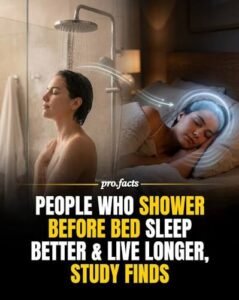
A warm bath or shower taken approximately sixty to ninety minutes before bedtime is one of the most robustly supported sleep improvement strategies in the scientific literature, with multiple controlled studies demonstrating its efficacy. The mechanism is counterintuitive but well-understood: the warm water increases blood flow to the extremities (hands and feet), which facilitates rapid heat dissipation from the body’s core, accelerating the core temperature drop that sleep onset requires. The result is faster sleep onset and — in several studies — longer periods of deep, slow-wave sleep.
DOMAIN 4: DAYTIME BEHAVIOURS AND SLEEP
12. Caffeine Management
Caffeine is the world’s most widely consumed psychoactive substance and one of the most significant behavioural contributors to poor sleep quality. Its mechanism is well-understood: caffeine blocks adenosine receptors in the brain — adenosine being the sleep pressure molecule that accumulates throughout the day and creates the feeling of tiredness — effectively masking but not eliminating the accumulated sleep pressure. Its half-life in the human body is approximately five to six hours, meaning that a cup of coffee consumed at 3 pm still has half its active concentration in your system at 89 pmm.
The evidence-based caffeine cutoff time for quality sleep varies between individuals but falls between 12 noon and 2 p.m. for most people. This is earlier than most people’s instinctive caffeine limit and earlier than most caffeine consumption guidance recommends. Genetic variations in caffeine metabolism mean some individuals clear caffeine significantly faster than average (and can tolerate a later cut-off), while others metabolise it much more slowly and need an even earlier cut-off.
PRO TIP: A useful self-test: eliminate all caffeine after noon for two full weeks and monitor your sleep onset time, sleep quality, and morning energy levels. The results are often revelatory.
13. Alcohol and Sleep: The Hidden Disruptor
Alcohol is widely perceived as a sleep aid — it reduces the time required to fall asleep and initially produces a sedating effect. In reality, alcohol is one of the most potent sleep quality disruptors available, and its effects on sleep architecture are well-documented and consistently negative. While alcohol may accelerate sleep onset, it dramatically suppresses REM sleep in the first half of the night and produces a rebound arousal effect in the second half of the night — when the liver’s metabolisation of the alcohol is complete — that causes sleep fragmentation, frequent waking, and early morning arousal. Regular alcohol consumption, even in moderate amounts, meaningfully and measurably reduces sleep quality.

14-20: Additional Evidence-Based Sleep Strategies
- Exercise timing: Regular aerobic exercise improves sleep quality substantially, but intense exercise within two to three hours of bedtime can delay sleep onset by elevating core temperature and cortisol.
- Blue light glasses: Wearing blue-light-blocking glasses after sunset significantly reduces the circadian disruption caused by evening screen use.
- The military sleep technique: A systematic body relaxation method — starting from the face, progressively relaxing each muscle group — reportedly induces sleep within two minutes with regular practice.
- 4-7-8 breathing: Inhale for 4 counts, hold for 7, exhale for 8. Activates the parasympathetic nervous system and reduces physiological arousal.
- Cognitive shuffling: A 2026-trending technique of imagining a rapid, random sequence of unrelated objects to interrupt the analytical thinking that prevents sleep onset.
- Sleep restriction therapy: A counterintuitive but highly effective clinical technique for insomnia — restricting time in bed to build sleep pressure before gradually extending.
- Magnesium glycinate supplementation: Magnesium supports GABA receptor activity, which promotes nervous system relaxation. 400mg taken 30-60 minutes before bed has growing evidence to support sleep quality improvement.
DOMAIN 5: TECHNOLOGY AND TOOLS FOR BETTER SLEEP IN 2026
21-25: The Best Sleep Technology Investments of 2026
The sleep technology market has matured significantly by 2026, producing a range of evidence-based tools that genuinely support sleep quality improvement beyond the novelty or placebo effect that characterised many earlier sleep gadgets.
- Smart mattress technology: Mattresses with dual-zone temperature control, automated firmness adjustment based on sleep position detection, and integrated sleep stage tracking represent the premium end of 2026 sleep technology.
- Sleep tracking wearables: Advanced wearables that track heart rate variability, blood oxygen levels, and sleep stages with clinical-grade accuracy provide actionable data for sleep optimisation.
- Sunrise alarm clocks: Simulating a gradual sunrise over 20-30 minutes, these devices allow natural waking driven by light rather than sound, producing a dramatically better waking mood and alertness.
- White and pink noise machines: Dedicated sleep sound devices with curated noise profiles outperform phone apps by delivering consistent, non-compressing audio quality without the sleep-disrupting temptation of the phone.
- Smart sleep glasses: 2026’s most innovative sleep technology category — glasses that deliver precisely calibrated light therapy in the morning and blue-light blocking in the evening, syncing to your personal circadian data for optimised circadian management.
© 2026 bedroomstylereviews.com — All Rights Reserved
Affiliate Disclosure: We earn commission from qualifying Amazon purchases. All opinions are our own.

Dan is the founder and head content creator at Bedroom Style Reviews.
He has been working as a professional online product reviewer since 2015 and was inspired to start this website when he ended up sleeping on a memory foam mattress that was too soft and gave him backache.
Through in-depth research and analysis, Dan’s goal with this website is to help others avoid such pitfalls by creating the best online resource for helping you find your ideal mattress, bedding, and bedroom furniture.
Dan is a qualified NVQ Level 2 Fitness Instructor with 6 years’ experience helping clients improve their health through diet, exercise, and proper sleep hygiene.
He also holds several college and university-level qualifications in health sciences, psychology, mathematics, art, and digital media creation – which helps him to publish well researched and informative product reviews as well as articles on sleep, health, wellbeing, and home decor.
Dan also has direct personal experience with insomnia, anxiety, misophonia (hypersensitivity to sounds), and pain from both acute and long-standing sporting injuries – he enjoys writing insightful articles around these subjects to help fellow sufferers of such conditions.
Learn more about Dan here.