
Contents
By Bedroom Style Reviews Editorial Team
2026 Trend Guide
“Sleep is the foundation upon which health is built.” — Dr. Matthew Walker

Sleep has become one of the most important topics in modern health and wellness. Once viewed simply as a period of rest, sleep is now recognized as a biological necessity that affects nearly every system in the body. Scientific research continues to demonstrate that high-quality sleep supports brain function, strengthens the immune system, regulates hormones, improves emotional well-being, and reduces the risk of numerous chronic diseases.
In 2026, people are paying closer attention not only to how long they sleep but also to how well they sleep. The conversation has shifted from simply aiming for eight hours of sleep to understanding sleep quality, circadian rhythms, recovery, and personalized sleep habits. Advances in wearable technology, artificial intelligence, and smart home devices are giving individuals unprecedented insight into their nightly sleep patterns, while wellness experts continue to emphasize the importance of consistent routines and healthy bedroom environments.
Another defining trend is the growing integration of science and lifestyle. Instead of relying solely on gadgets, people are adopting evidence-based habits such as reducing evening screen time, practicing mindfulness, improving bedroom design, and following routines that align with the body’s natural biological clock. At the same time, manufacturers are introducing innovative products—from cooling mattresses and smart lighting systems to AI-powered sleep trackers—that help create more comfortable and restorative sleep environments.
As awareness of sleep health continues to grow, homeowners are also investing in bedrooms designed specifically to promote better rest. Comfortable mattresses, breathable bedding, calming color palettes, and optimized lighting are becoming essential components of a wellness-focused home rather than luxury additions.
This guide explores the most influential sleep trends shaping 2026, highlighting the latest developments in sleep science, technology, and wellness while providing practical insights that can help anyone build healthier sleep habits for the future.
Why Sleep Has Become a Global Wellness Priority
Sleep has moved to the forefront of public health discussions because researchers now understand its critical role in long-term physical and mental well-being. Just as balanced nutrition and regular exercise are essential for good health, restorative sleep has become recognized as a fundamental pillar of overall wellness.
Healthcare professionals increasingly encourage people to view sleep as an investment rather than a luxury. Consistently obtaining sufficient, high-quality sleep improves daily performance while helping prevent numerous health conditions that develop over time.
“Sleep is the single most effective thing we can do to reset our brain and body each day.” — Dr. Matthew Walker
Supporting Long-Term Health
During sleep, the body performs essential maintenance that cannot occur as efficiently while awake.
Important biological processes include:
- Tissue repair
- Muscle recovery
- Hormone regulation
- Memory consolidation
- Immune system strengthening
- Cellular restoration
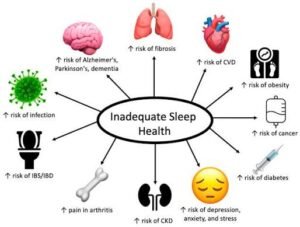
Research continues to associate healthy sleep with lower risks of cardiovascular disease, obesity, type 2 diabetes, depression, and cognitive decline.
Improving Mental Well-Being
Mental health and sleep are closely connected.
Consistent, restorative sleep helps regulate emotions, improve resilience to stress, and enhance decision-making. Poor sleep, on the other hand, may contribute to irritability, anxiety, reduced concentration, and emotional fatigue.
As awareness of mental health grows worldwide, improving sleep has become an important component of overall psychological well-being.
Enhancing Daily Performance
Sleep directly influences productivity.
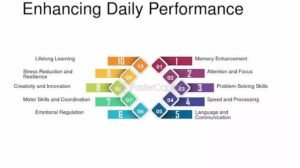
Well-rested individuals often experience:
- Better concentration
- Faster reaction times
- Improved creativity
- Stronger memory
- Better decision-making
- Increased workplace performance
For students, professionals, athletes, and older adults alike, quality sleep supports optimal daily functioning.
The Expanding Sleep Economy
Consumer interest in sleep health has fueled significant growth in products and services designed to improve rest.
Popular categories include:
- Premium mattresses
- Ergonomic pillows
- Cooling bedding
- Sleep-tracking wearables
- Smart bedroom technology
- Meditation apps
- White noise machines
- Sleep coaching services
Rather than treating sleep as an afterthought, consumers increasingly view these products as long-term investments in health and quality of life.

The Latest Discoveries in Sleep Science
Modern sleep science continues to reshape our understanding of how the body recovers during sleep. Researchers now recognize that healthy sleep involves far more than simply spending enough hours in bed. Sleep timing, sleep quality, circadian rhythm alignment, and consistency all play important roles in supporting physical and mental health.
These discoveries are helping healthcare professionals develop more personalized recommendations while encouraging individuals to focus on sustainable sleep habits instead of quick fixes.
“Sleep is that golden chain that ties health and our bodies together.” — Thomas Dekker
Circadian Rhythm Research
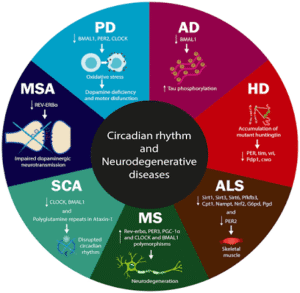
One of the most important areas of modern sleep science focuses on the body’s circadian rhythm—its natural 24-hour internal clock.
This biological system regulates:
- Sleep and wake cycles
- Hormone production
- Body temperature
- Alertness
- Digestion
- Metabolism
Exposure to natural daylight during the morning and reduced exposure to bright artificial light at night help maintain a healthy circadian rhythm. Researchers continue to emphasize that consistent sleep and wake times are just as important as total sleep duration.
Deep Sleep and Brain Health
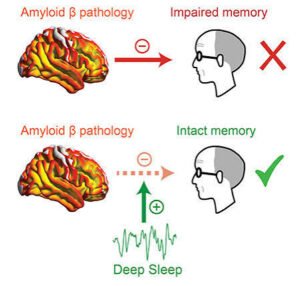
Deep sleep remains one of the most valuable stages of the sleep cycle.
During this stage, the body repairs tissues, strengthens the immune system, and releases growth hormone. At the same time, the brain processes information, consolidates memories, and removes metabolic waste products that accumulate throughout the day.
Emerging research suggests that protecting deep sleep may support healthy cognitive aging and overall brain function.
Personalized Sleep Recommendations
Sleep experts increasingly recognize that there is no universal sleep solution.
Age, genetics, lifestyle, physical activity, medical conditions, work schedules, and stress levels all influence individual sleep needs.
Instead of applying identical recommendations to everyone, healthcare providers are increasingly encouraging personalized sleep strategies that consider each person’s daily routine, health status, and sleep patterns.
Why Sleep Quality Matters More Than Quantity
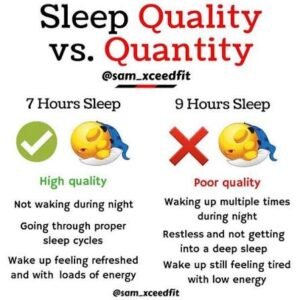
One of the biggest shifts in sleep science is the growing emphasis on quality rather than simply counting hours.
Someone who sleeps for seven uninterrupted hours may wake feeling more refreshed than someone who spends nine hours in bed but experiences frequent awakenings throughout the night.
High-quality sleep typically includes:
- Falling asleep within a reasonable time
- Completing multiple sleep cycles
- Adequate deep and REM sleep
- Minimal nighttime interruptions
- Feeling refreshed upon waking
Improving sleep quality often provides greater health benefits than merely increasing the number of hours spent in bed.
AI and Smart Sleep Technology
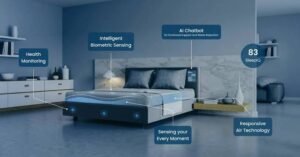
Technology is transforming how people monitor and improve their sleep. In 2026, artificial intelligence (AI) and connected smart devices are making it easier than ever to understand sleep habits and identify opportunities for improvement.
Rather than simply recording sleep duration, many modern devices analyze sleep stages, heart rate, breathing patterns, movement, and overnight recovery. These insights help users make informed decisions about bedtime routines, exercise, and overall wellness.
The goal of smart sleep technology is not to replace healthy habits but to provide meaningful data that supports better long-term sleep health.
Artificial intelligence is transforming sleep health by making it easier for people to understand how they sleep and what habits influence their nightly recovery. Rather than simply measuring the number of hours spent in bed, modern sleep technology analyzes multiple health indicators to provide personalized recommendations that can help improve sleep quality over time.
These innovations are becoming increasingly common in homes, hotels, healthcare settings, and wearable devices, making sleep monitoring more accessible than ever before.
“Technology is most valuable when it helps people build healthier habits rather than replacing them.” — Sleep Health Principle
AI-Powered Sleep Tracking
Today’s AI-powered sleep trackers collect and analyze a wide range of information throughout the night.
Many devices monitor:
- Sleep duration
- Sleep stages
- Heart rate
- Breathing patterns
- Body movement
- Skin temperature
- Overnight recovery
Artificial intelligence then identifies patterns over days or weeks, offering personalized suggestions such as adjusting bedtime, improving bedroom conditions, or reducing late-night caffeine consumption.
Instead of focusing only on one night’s sleep, AI helps users recognize long-term habits that influence overall sleep quality.
Smart Mattresses
The mattress industry has embraced technology in remarkable ways.
Modern smart mattresses may include features such as:
- Automatic firmness adjustment
- Sleep position monitoring
- Temperature regulation
- Snore detection
- Sleep quality reports
- Dual comfort settings for couples
Some models can even adjust different areas of the mattress independently, allowing partners with different comfort preferences to sleep more comfortably without disturbing one another.
Wearable Sleep Monitors
Smartwatches, fitness bands, and health rings continue to become more sophisticated.
These wearable devices can monitor:
- Heart rate variability
- Blood oxygen levels
- Overnight recovery
- Sleep efficiency
- Stress levels
- Activity throughout the day
Many people now use wearable data alongside healthy lifestyle habits to better understand how exercise, nutrition, stress, and bedtime routines affect sleep.
Smart Bedroom Ecosystems
Bedrooms are becoming increasingly connected through smart home technology.
A smart bedroom may automatically:
- Dim lights before bedtime.
- Lower room temperature during sleep.
- Close blackout blinds.
- Play relaxing sounds.
- Reduce indoor noise.
- Wake occupants gradually using simulated sunrise lighting.
These automated adjustments create a more comfortable sleeping environment while helping support the body’s natural circadian rhythm.
Wellness Trends Improving Sleep Naturally
While technology continues to evolve, one of the biggest sleep trends in 2026 is the growing emphasis on natural, science-backed wellness practices. Rather than depending entirely on sleep gadgets, people are adopting healthier daily habits that encourage restorative sleep naturally.
Experts agree that long-term sleep improvements are usually achieved through consistent routines rather than quick fixes.
“Healthy sleep begins long before your head touches the pillow.” — Sleep Wellness Principle
Mindfulness and Meditation
Mindfulness has become one of the most widely recommended techniques for reducing stress before bedtime.
Simple practices such as meditation, guided breathing, gratitude journaling, or quiet reflection help calm the nervous system and prepare both the body and mind for sleep.
Even ten minutes of mindfulness before bed may help reduce mental tension accumulated during the day.

Breathwork and Relaxation
Controlled breathing exercises continue to gain popularity because they encourage relaxation without requiring equipment or medication.
Common techniques include:
- Deep diaphragmatic breathing
- Box breathing
- 4-7-8 breathing
- Progressive muscle relaxation
These methods help reduce stress while promoting a smoother transition into sleep.

Evening Digital Detox
Many sleep specialists now recommend reducing digital stimulation before bedtime.
Scrolling through social media, watching intense television programs, or responding to work emails late at night can increase mental alertness and delay natural sleep signals.
Replacing screen time with reading, stretching, or calming music allows the brain to unwind more effectively.

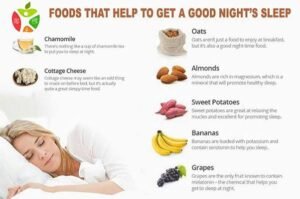
Nutrition for Better Sleep
Diet plays an increasingly recognized role in sleep quality.
Balanced evening meals, proper hydration throughout the day, and limiting caffeine late in the afternoon can all contribute to healthier sleep.
Many people also focus on reducing alcohol consumption before bedtime, as alcohol often disrupts deep and REM sleep despite initially causing drowsiness.
Exercise and Daily Movement
Regular physical activity remains one of the most effective natural sleep aids.
Walking, cycling, swimming, yoga, and strength training all contribute to better sleep by reducing stress, improving mood, and supporting overall physical health.
Morning or afternoon exercise is generally preferred, although gentle stretching during the evening may also encourage relaxation.
Stress Management
Modern lifestyles expose many people to continuous stress.
In response, wellness professionals increasingly encourage:
- Better work-life balance
- Scheduled relaxation time
- Journaling
- Nature walks
- Reading
- Spending time with family
- Reducing unnecessary evening obligations
Managing stress throughout the day often results in significantly better sleep at night.
Smart Bedroom Design Trends for 2026
Bedroom design is evolving beyond aesthetics to actively support healthier sleep. Homeowners now view the bedroom as a wellness space designed to encourage relaxation, improve comfort, and minimize sleep disruptions.
Interior designers increasingly combine scientific research with timeless design principles to create environments that promote restorative rest.
Circadian Lighting
Lighting is one of the strongest influences on the body’s internal clock.
Circadian lighting systems automatically adjust brightness and color temperature throughout the day.
During the morning, brighter cool-toned light encourages alertness.
In the evening, warm amber lighting signals the body to begin preparing for sleep by supporting natural melatonin production.
Cooling Sleep Environments
Temperature regulation has become one of the biggest trends in bedroom design.
Cooling mattresses, breathable sheets, moisture-wicking bedding, and improved ventilation help prevent overheating during sleep.
Maintaining a cool bedroom often results in deeper and more uninterrupted sleep.
Better Indoor Air Quality
Clean indoor air contributes to healthier sleep.
Many homeowners now incorporate:
- Air purifiers
- Humidifiers
- Houseplants
- Improved ventilation
- Low-VOC furniture and paints
Reducing indoor pollutants creates a fresher and healthier sleeping environment.
Noise Reduction
Noise pollution continues to be a major cause of interrupted sleep.
Popular solutions include:
- Acoustic wall panels
- Thick curtains
- Soft furnishings
- White noise machines
- Soundproof windows
- Carpets and rugs
These features create quieter bedrooms that support uninterrupted sleep cycles.
Natural Materials
Natural materials remain one of the strongest interior design trends of 2026.
Designers increasingly recommend:
- Solid wood furniture
- Linen bedding
- Organic cotton sheets
- Wool blankets
- Bamboo accessories
- Stone décor
- Woven baskets
These materials create warm, calming spaces while supporting sustainability and healthier indoor environments.
“Nature remains one of the greatest inspirations for restorative design.” — Interior Wellness Principle
The Rise of Personalized Sleep Health
One of the most significant developments in sleep wellness during 2026 is the move toward personalized sleep health. Rather than following general advice, people are increasingly using health data, lifestyle habits, and individual sleep patterns to create routines that suit their specific needs.
Healthcare professionals now recognize that factors such as age, occupation, activity level, stress, medical history, and genetics all influence sleep quality. As a result, personalized recommendations are replacing the traditional “one-size-fits-all” approach.
“The future of healthcare is personalized, preventive, and data-driven.” — Eric Topol
Wearable Health Data
Modern wearable devices have become valuable tools for understanding sleep habits.
Many smartwatches, fitness bands, and health rings now monitor:
- Sleep duration
- Heart rate variability
- Overnight recovery
- Blood oxygen levels
- Skin temperature
- Stress indicators
Rather than simply displaying numbers, many devices identify trends that help users make informed lifestyle adjustments over time.
Recovery Tracking
Recovery has become an important focus for athletes, professionals, and everyday users alike.
Instead of measuring sleep alone, many platforms evaluate how well the body has recovered overnight by combining sleep quality with physiological indicators such as heart rate variability and resting heart rate.
This information can help users determine when they are ready for intense physical activity or when additional rest may be beneficial.
Individual Sleep Coaching
Artificial intelligence is also transforming sleep coaching.
Instead of generic recommendations, many digital wellness platforms provide customized suggestions based on a person’s:
- Bedtime habits
- Activity levels
- Stress patterns
- Sleep consistency
- Recovery trends
These personalized insights encourage gradual habit improvements that are easier to maintain over time.
Lifestyle Personalization
Experts increasingly recommend tailoring sleep routines to individual lifestyles rather than copying someone else’s schedule.
For example:
- Shift workers may require different sleep strategies than office workers.
- Frequent travelers may benefit from routines that reduce jet lag.
- Athletes often prioritize recovery-focused sleep habits.
- Older adults may require adjustments that accommodate natural changes in sleep patterns.
Personalized sleep health recognizes that better sleep is achieved through consistent habits that fit each person’s daily life.
Sleep Trends Shaping the Future
Sleep science continues to evolve rapidly, and several emerging trends are expected to influence how people approach sleep health in the coming years.
Sleep Tourism
Hotels and wellness resorts are increasingly offering sleep-focused experiences.
Guests can now find accommodations that feature:
- Premium mattresses
- Blackout curtains
- Soundproof rooms
- Circadian lighting
- Aromatherapy
- Sleep-focused wellness programs
Rather than simply providing accommodation, these environments aim to optimize rest and recovery.
Home Sleep Testing
Advances in portable medical technology have made home sleep testing more accessible.
People experiencing symptoms such as loud snoring or excessive daytime fatigue may now undergo certain diagnostic evaluations from home under medical supervision, allowing healthcare providers to identify sleep-related conditions more efficiently.
Digital Health Integration
Sleep data is becoming increasingly integrated with broader health platforms.
Many digital health systems combine information about:
- Physical activity
- Nutrition
- Stress
- Heart health
- Sleep
This integrated approach provides a more complete understanding of overall wellness.
Workplace Sleep Wellness
Organizations are beginning to recognize that well-rested employees are generally healthier, safer, and more productive.
Some employers now support sleep wellness by promoting:
- Flexible scheduling
- Fatigue management education
- Mental wellness programs
- Better work-life balance
- Health-focused workplace initiatives
Improving sleep is increasingly viewed as part of employee well-being rather than simply a personal responsibility.
Sustainable Sleep Products
Environmental sustainability continues to influence bedroom products.
Consumers increasingly seek:
- Organic cotton bedding
- Natural latex mattresses
- FSC-certified wood furniture
- Recycled materials
- Eco-friendly manufacturing
- Non-toxic finishes
Sustainable bedroom products support both personal health and environmental responsibility.
“Good sleep is a skill that can be learned.” — Dr. Matthew Walker
Common Sleep Technology Mistakes
Although modern sleep technology offers valuable insights, experts caution against relying entirely on devices.
Some common mistakes include:
Becoming Too Focused on Sleep Scores
Tracking sleep can be helpful, but becoming anxious about achieving a perfect score may actually increase stress and interfere with sleep.
Sleep data should serve as a guide rather than a source of worry.
Ignoring Lifestyle Habits
Even the most advanced sleep tracker cannot replace healthy daily habits.
Technology works best when combined with:
- Consistent bedtimes
- Regular exercise
- Healthy nutrition
- Stress management
- Comfortable sleep environments
Buying Unnecessary Gadgets
Not every product marketed for sleep offers meaningful benefits.
Consumers should prioritize proven improvements such as a supportive mattress, breathable bedding, blackout curtains, and healthy sleep habits before investing in expensive technology.
Overlooking Professional Advice
Sleep technology cannot diagnose every medical condition.
Persistent symptoms such as loud snoring, chronic insomnia, excessive daytime sleepiness, or breathing interruptions during sleep should always be evaluated by a qualified healthcare professional.

Building a Science-Backed Sleep Routine
Many sleep experts agree that consistent habits produce better results than expensive products alone.
A practical evening routine may include:
- Following a regular bedtime.
- Reducing screen exposure one hour before sleep.
- Keeping the bedroom cool, quiet, and dark.
- Using supportive mattresses and pillows.
- Limiting caffeine late in the day.
- Exercising regularly.
- Practicing relaxation techniques.
- Reading or journaling before bed.
- Waking at the same time every morning.
- Getting natural sunlight early in the day.
These evidence-based habits support healthy circadian rhythms while improving both sleep duration and sleep quality.
Conclusion
Sleep has become one of the defining health priorities of 2026, supported by rapid advances in scientific research, smart technology, and wellness-focused lifestyle practices. The conversation has moved beyond simply counting hours of sleep to understanding how factors such as sleep quality, circadian rhythm, recovery, and bedroom design contribute to overall health.
Innovations such as AI-powered sleep tracking, smart mattresses, wearable health monitors, and connected bedroom systems are helping people gain deeper insights into their sleep patterns. At the same time, growing awareness of natural wellness practices—including mindfulness, regular exercise, balanced nutrition, and consistent bedtime routines—reminds us that technology works best when combined with healthy daily habits.
The future of sleep is becoming increasingly personalized. Instead of relying on universal recommendations, individuals can use scientific knowledge and reliable health data to develop routines that suit their own lifestyles, goals, and health needs.
Ultimately, the most effective sleep strategy remains surprisingly simple: prioritize consistency, create a comfortable sleep environment, and build habits that support both physical recovery and mental well-being. By combining evidence-based wellness practices with thoughtfully selected technology, anyone can improve sleep quality and enjoy the long-term benefits of restorative rest.
“The best bridge between despair and hope is a good night’s sleep.” — E. Joseph Cossman
© 2026 bedroomstylereviews.com — All Rights Reserved
Affiliate Disclosure: We earn commission from qualifying Amazon purchases. All opinions are our own.

Dan is the founder and head content creator at Bedroom Style Reviews.
He has been working as a professional online product reviewer since 2015 and was inspired to start this website when he ended up sleeping on a memory foam mattress that was too soft and gave him backache.
Through in-depth research and analysis, Dan’s goal with this website is to help others avoid such pitfalls by creating the best online resource for helping you find your ideal mattress, bedding, and bedroom furniture.
Dan is a qualified NVQ Level 2 Fitness Instructor with 6 years’ experience helping clients improve their health through diet, exercise, and proper sleep hygiene.
He also holds several college and university-level qualifications in health sciences, psychology, mathematics, art, and digital media creation – which helps him to publish well researched and informative product reviews as well as articles on sleep, health, wellbeing, and home decor.
Dan also has direct personal experience with insomnia, anxiety, misophonia (hypersensitivity to sounds), and pain from both acute and long-standing sporting injuries – he enjoys writing insightful articles around these subjects to help fellow sufferers of such conditions.
Learn more about Dan here.