
Contents
By Bedroom Style Reviews Editorial Team
Estimated Reading Time: 10 Minutes
2026 Trend Guide
Temperature has become an increasingly important part of bedroom comfort in 2026.
A mattress can feel supportive, the bedroom can look beautiful, and the sheets can feel soft—but if the bed becomes too warm during the night, the entire sleep environment can feel uncomfortable.
This has helped make temperature-regulating bedding one of the notable bedding trends of 2026.
The trend includes more than products marketed specifically as “cooling.” It covers breathable sheets, lightweight blankets, natural fibers, moisture-managing fabrics, mattress protectors, comforters, and bedding systems designed to work across changing temperatures.
The goal isn’t necessarily to make the bed cold. Instead, good temperature-regulating bedding should help create a comfortable and balanced sleeping environment.
What Is Temperature-Regulating Bedding?
Temperature-regulating bedding is designed to help manage the conditions around the sleeper.
Different materials achieve this in different ways. Some allow air to move more easily through the fabric. Others manage moisture, while certain products are designed to absorb or release heat.
The result depends on the entire bedding system rather than one individual product.
For example, breathable sheets may feel comfortable, but placing a very heavy comforter and a thick mattress protector on top of the bed can still make the sleep environment feel warm.
This is why temperature regulation should be considered from the mattress to the top layer.
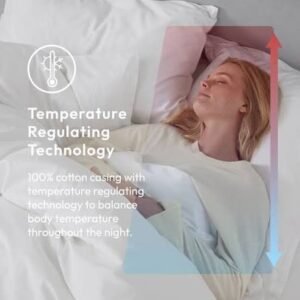
Why Temperature-Regulating Bedding Is Trending in 2026
The growing interest in temperature-regulating bedding reflects a broader focus on sleep comfort and bedroom wellness.
Consumers are increasingly looking beyond thread count and softness when choosing sheets. They want bedding that suits their sleeping preferences and the temperature of their bedroom.
The trend also fits naturally with the popularity of natural-fiber bedding. Linen and cotton remain popular because they can provide breathable, comfortable options for different seasons.
At the same time, manufacturers are developing increasingly specialized textiles and bedding products aimed at temperature management.
This creates more choices—but it also makes understanding the basics more important.
Linen Remains a Major Temperature-Regulating Choice
Linen is one of the most recognizable materials associated with breathable bedding.
Its natural structure allows air to move through the fabric, while its moisture-management characteristics can make it comfortable for people who tend to feel warm.
Linen also has an advantage for year-round use. It isn’t simply a summer material. Its structure can provide a comfortable combination of breathability and insulation when temperatures change.
The look of linen is another reason it remains popular in 2026.
Its relaxed texture works particularly well with minimalist, coastal, farmhouse, and natural bedroom styles.
The main consideration is texture. Linen generally feels different from smooth cotton sateen or silky lyocell, so shoppers should choose it based on both performance and personal preference.
Cotton Continues to Be an All-Season Favorite
Cotton remains one of the most versatile bedding materials.
Its performance depends heavily on the type of cotton, fabric construction, and weave.
Percale cotton is particularly popular among people who prefer a crisp, lightweight, breathable feel.
Sateen cotton has a smoother and somewhat more substantial feel, making it attractive to sleepers who prefer softer bedding.
This variety allows cotton to work across different climates and preferences.
For American households looking for practical year-round bedding, a quality cotton sheet set remains one of the easiest places to start.
Percale Is Especially Popular for Warm Sleepers
Percale deserves special attention because it is closely associated with cool, crisp bedding.
The weave produces a matte surface and relatively lightweight feel. It allows air to move through the fabric and generally feels less dense than many heavier bedding constructions.
For warm sleepers, percale can be a practical choice for everyday sheets.
However, temperature comfort is personal. Someone who dislikes crisp fabrics may prefer another material even if percale performs well in warm conditions.
The best bedding should combine thermal comfort with a texture the sleeper actually enjoys.
Lyocell and Smooth Moisture-Managing Fabrics
Lyocell is another material receiving attention in the bedding market.
It has a smooth hand feel and is known for moisture-management properties, making it attractive to people who want soft bedding without the crisp texture associated with percale.
Lyocell can be particularly appealing for sleepers who want bedding that feels cool and smooth against the skin.
As with any fabric, construction matters. A lightweight, breathable product can feel very different from a heavier version made from the same general fiber.
Always look at the complete product specifications rather than judging a sheet only by its fiber name.
Moisture Management Matters Too
Temperature isn’t the only factor affecting comfort.
Moisture can also influence how warm or uncomfortable a person feels during the night.
Breathable fabrics that manage moisture effectively can help bedding feel more comfortable, particularly in warm or humid environments.
This is one reason natural fibers and certain engineered fibers continue to receive attention.
However, no sheet can completely compensate for an excessively warm bedroom or an overly heavy bedding system.
Temperature, humidity, clothing, mattress materials, and bedding layers all work together.
Mattress Protectors Are Part of the Equation
A mattress protector is often overlooked when people think about temperature regulation.
Some protectors are relatively lightweight and breathable, while others use thicker waterproof constructions.
A waterproof layer can be useful for protecting a mattress, but the material and construction can affect how the bed feels.
When choosing a protector, look for one that balances the protection required with the desired sleeping comfort.
If the bed regularly feels warmer after adding a particular protector, the protector may be contributing to the problem.
Comforters and Duvets Can Make a Major Difference
Sheets are only the first layer.
A comforter or duvet can have a much larger effect on how warm the bed feels.
For warmer months, lightweight comforters and breathable blankets can provide enough coverage without creating excessive warmth.
During colder months, additional layers can be added without replacing the underlying sheets.
This layered approach is one of the most practical ways to make bedding adaptable throughout the year.
Instead of purchasing separate complete bedding systems for summer and winter, households can maintain a breathable base and adjust the upper layers.
Natural Fill vs. Synthetic Fill
Comforter and duvet filling can also influence temperature.
Down and wool are often valued for their ability to provide warmth without necessarily feeling excessively heavy.
Some synthetic fills are also engineered to be lightweight and breathable.
There is no universally best fill. The appropriate choice depends on climate, personal preference, allergies or sensitivities, care requirements, and desired warmth.
The key is to consider the comforter as part of the complete sleep environment rather than separately from the sheets.
Cooling Technology Is Becoming More Sophisticated
The term “cooling bedding” now covers a wide range of products.
Some products rely primarily on breathable fabrics. Others use specialized textile construction or materials designed to respond to body heat.
Technology is also appearing in mattress pads and other sleep products designed to manage temperature more actively.
However, consumers should be careful with dramatic claims.
A product described as “cooling” isn’t necessarily going to feel cold throughout the night. In many cases, the goal is simply to reduce heat buildup and help maintain a more comfortable temperature.
That distinction is important when comparing products.
Bedding for Hot American Climates
Different parts of the United States have very different temperature and humidity patterns.
In warmer regions, breathable bedding can be useful for much of the year.
A practical warm-weather setup might include:
- Lightweight cotton percale sheets
- Linen sheets
- A breathable mattress protector
- Lightweight blanket or comforter
- Breathable duvet cover
- Minimal decorative layers
The bedroom itself also matters. Air circulation, window coverings, room temperature, and humidity can influence comfort as much as bedding.
Bedding for Homes With Cold Winters
Temperature-regulating bedding isn’t only for summer.
In colder areas, breathable sheets can remain useful underneath warmer blankets and comforters.
For example, cotton or linen sheets can provide a comfortable foundation while a heavier duvet provides additional warmth.
This makes it possible to adjust the upper layers as the weather changes without completely replacing the bedding.
The approach is particularly useful for households that experience significant seasonal changes.
The Rise of All-Season Bedding
One of the strongest connections between temperature regulation and 2026 bedding trends is the popularity of versatile, all-season products.
Consumers increasingly want products that can work throughout the year instead of purchasing completely different bedding collections for each season.
An all-season bedding setup might include:
Base layer: breathable cotton or linen sheets
Middle layer: lightweight blanket or quilt
Top layer: duvet or comforter that can be changed depending on the season
This system allows greater flexibility while reducing the need for excessive bedding purchases.
How Bedroom Design Affects Temperature Comfort
Bedding isn’t the only part of the bedroom that influences thermal comfort.
Window coverings can affect how much sunlight enters the room. Curtains with appropriate lining can help manage heat and light, while fans can improve air movement.
The mattress itself can also influence how warm the bed feels.
This means temperature management should be approached as a complete bedroom-design issue.
A beautifully designed bedroom can still be uncomfortable if heat becomes trapped around the bed.
Don’t Confuse “Cooling” With “Cold”
One of the most important things to understand about temperature-regulating bedding is that cooling doesn’t necessarily mean cold.
A good temperature-regulating product should ideally help reduce excessive heat buildup rather than make the sleeper uncomfortably cold.
This is particularly important for couples.
Two people sharing a bed may have very different temperature preferences. A product that feels pleasantly cool to one person may feel too cold to another.
Adjustable layers can provide a more practical solution than relying on a single extreme cooling product.
How to Choose Temperature-Regulating Sheets
When shopping for sheets in 2026, consider several factors rather than relying on the word “cooling.”
Check the Fiber
Look for clear information about cotton, linen, lyocell, or other materials.
Consider the Weave
Percale generally feels lighter and crisper, while sateen is smoother and more substantial.
Look at Fabric Weight
Extremely heavy sheets may not be ideal for warm sleepers.
Consider Your Climate
A person living in a hot, humid region may need different bedding from someone in a colder climate.
Think About the Entire Bed
Sheets are only one part of the temperature equation.
Read Care Instructions
Some fabrics require more careful washing and drying than others.
Common Mistakes When Buying Cooling Bedding
One mistake is assuming that the most expensive cooling product will automatically perform best.
Another is focusing entirely on marketing terminology.
A product can be described as cooling while still feeling warm if the complete bedding setup traps heat.
Another common mistake is buying extremely lightweight bedding without considering winter comfort.
A better strategy is to create a flexible system that can be adjusted throughout the year.
Temperature-Regulating Bedding and Sustainability
The temperature-regulation trend also connects with sustainable bedroom design.
Choosing versatile bedding that can remain in use across multiple seasons may reduce the need to purchase completely separate bedding collections.
Natural fibers such as linen and cotton are also popular among consumers interested in more natural bedroom materials.
Durability matters as well. A sheet set that maintains its comfort and structure after years of regular washing can be more practical than repeatedly replacing low-quality bedding.
Sustainability should still be evaluated based on the complete product, including sourcing, manufacturing, certifications, durability, and care requirements.
Temperature-Regulating Bedding Trends to Watch in 2026
Several developments are likely to remain important throughout the year:
- Breathable natural-fiber sheets
- Linen bedding for year-round use
- Cotton percale for warm sleepers
- Smooth lyocell bedding
- Lightweight all-season comforters
- Breathable mattress protectors
- More advanced cooling textiles
- Layered bedding systems
- Personalized temperature solutions
- Bedding designed for different climates
The overall direction is toward bedding that provides comfort without forcing consumers to choose between summer and winter products.
A Practical Temperature-Regulating Bedding Setup
For an American bedroom that needs to work across changing seasons, a simple setup can be highly effective.
Start with quality cotton percale or linen sheets. Add a lightweight blanket or quilt for flexibility. Use a duvet or comforter that can be changed depending on the season.
During warmer months, remove unnecessary layers.
When temperatures drop, add a warmer blanket or duvet rather than replacing the entire bed.
This approach keeps the bedding system flexible while avoiding excessive layering.
Conclusion
Temperature-regulating bedding is one of the most useful bedding trends of 2026 because it focuses on comfort rather than simply appearance.
Linen, cotton percale, lyocell, breathable mattress protectors, lightweight comforters, and flexible bedding layers are giving American households more ways to create comfortable sleep environments throughout the year.
The most important point is that temperature regulation doesn’t come from one magic product. It comes from the interaction between fabric, weave, bedding layers, mattress materials, bedroom temperature, humidity, and personal preference.
For many households, the best approach is a breathable base layer combined with flexible blankets and comforters that can be adjusted throughout the seasons.
Instead of searching for the coldest sheets or the most heavily marketed cooling product, focus on creating a balanced sleep environment.
In 2026, the smartest bedding trend may be the simplest one: choose breathable materials, build flexible layers, and design the bed around year-round comfort.
© 2026 bedroomstylereviews.com — All Rights Reserved
Affiliate Disclosure: We earn commission from qualifying Amazon purchases. All opinions are our own.

Dan is the founder and head content creator at Bedroom Style Reviews.
He has been working as a professional online product reviewer since 2015 and was inspired to start this website when he ended up sleeping on a memory foam mattress that was too soft and gave him backache.
Through in-depth research and analysis, Dan’s goal with this website is to help others avoid such pitfalls by creating the best online resource for helping you find your ideal mattress, bedding, and bedroom furniture.
Dan is a qualified NVQ Level 2 Fitness Instructor with 6 years’ experience helping clients improve their health through diet, exercise, and proper sleep hygiene.
He also holds several college and university-level qualifications in health sciences, psychology, mathematics, art, and digital media creation – which helps him to publish well researched and informative product reviews as well as articles on sleep, health, wellbeing, and home decor.
Dan also has direct personal experience with insomnia, anxiety, misophonia (hypersensitivity to sounds), and pain from both acute and long-standing sporting injuries – he enjoys writing insightful articles around these subjects to help fellow sufferers of such conditions.
Learn more about Dan here.