
Contents
2026 TREND GUIDE
By Bedroom Style Reviews Editorial Team
A bedroom makeover is one of the most personally transformative home improvement projects available. Because the bedroom is the room you see first thing every morning and last thing every night, and because it directly affects the quality of approximately eight hours of your day, investing time and resources in making it genuinely beautiful, comfortable, and restorative repays itself many times over in daily quality of life.
This guide provides a complete, step-by-step framework for a bedroom makeover in 2026 — from the initial planning and budgeting phase through design style selection, furniture, bedding, lighting, and accessories, to the practical order of execution. Whether you are working with a generous budget or a modest one, this guide will help you make the most of what you have and create a room that you love being in.
❝ “The secret to a successful bedroom makeover is not budget — it is intention. A room designed with clear purpose, a coherent aesthetic direction, and careful attention to the sleep environment will outperform a room with an unlimited budget but no guiding vision.” ❞
PHASE 1: PLANNING AND VISION
Step 1: Define Your Bedroom’s Purpose and Priorities
Before making any purchasing or decorating decisions, spend time defining exactly what you need and want your bedroom to be. For some people, the bedroom is primarily a sleep sanctuary — a place designed single-mindedly for quality rest, with everything else secondary. For others, it is also a reading space, a dressing space, a morning yoga space, or, in smaller homes, a workspace. Understanding your bedroom’s full use profile determines the furniture requirements, the lighting needs, and the design decisions that follow.
The most important prioritisation question for bedroom design is: what does this room need to do better than it currently does? If the answer is ‘help me sleep better’, the priority is the mattress, bedding, lighting, and acoustic environment. If the answer is ‘feel more beautiful and inspiring’, the priority is paint colour, furniture, and accessories. If the answer is ‘give me more storage’, the priority is furniture selection and storage solutions. Starting with a clear answer to this question prevents the unfocused spending that leaves rooms improved but not transformed.

Step 2: Audit Your Existing Room
Before planning what to add or change, take a complete inventory of what you currently have. Photograph the room from every angle in natural daylight. List every item of furniture and its dimensions. Note what genuinely works — the pieces you use daily, love looking at, or find genuinely comfortable — and what does not work — the pieces that are wrong for the space, that you actively dislike, that are broken or degraded, or that simply take up space without serving a clear function. This audit provides the honest starting point from which all good redesign decisions flow.

A common and expensive mistake in bedroom makeovers is purchasing new items without first determining what existing items need to be removed. Every item kept is something new additions must work around; removing items that no longer serve the room often creates more visual improvement than adding new ones. Challenge every existing item: does it belong in this new vision of the room? If not, plan its removal before planning any additions.
Step 3: Establish Your Budget and Prioritise Within It
Establish a realistic total budget for the makeover — and then allocate it strategically across the room’s elements according to their impact on your experience of the room. A useful 2026 budget allocation framework for a bedroom makeover is: 30-40% on the sleep surface (mattress, pillow, topper if needed), 20-25% on bedding and soft furnishings, 15-20% on furniture (excluding mattress), 10-15% on paint and decorating, and 5-10% on lighting and accessories.
This allocation reflects the priorities determined by how each element affects your experience of the room. Many people reverse this ratio — spending generously on furniture and accessories while maintaining poor-quality sleep surfaces and bedding — and then wonder why the room looks better but still does not feel as satisfying as it should. The sleep surface and bedding are the elements you engage with most directly and most continuously: they deserve the largest share of the budget.
PRO TIP: If budget is tight, prioritise in this order: (1) fresh paint, (2) quality bedding, (3) better lighting, (4) declutter, (5) single statement furniture piece. This sequence delivers the maximum visual and experiential transformation per pound spent.
PHASE 2: DESIGN DIRECTION
Step 4: Choose Your Design Style
Selecting a clear, coherent design style as the room’s guiding aesthetic framework prevents the ‘collected over time’ look of rooms assembled without direction and creates the visual cohesion that characterises beautifully designed bedrooms. In 2026, the most popular and most achievable bedroom design styles include:
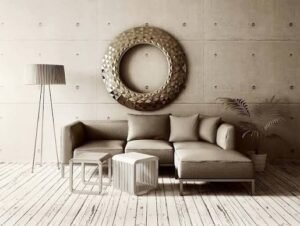
- Quiet Luxury: Warm neutrals, exceptional material quality, restrained decoration, natural textures. The most widely aspirational and universally flattering bedroom aesthetic of 2026.
- Warm Minimalism: Clean lines, organic shapes, earth tones, natural materials, no clutter. A decluttered, spacious aesthetic with warmth and character.
- Biophilic: Natural materials throughout, living plants, natural light maximisation, earthy palette, organic forms. Deeply restful and increasingly evidence-based for wellbeing.
- Modern Japandi: Japanese minimalism combined with Scandinavian warmth. Low furniture, natural wood, neutral palette, negative space, deliberate beauty.
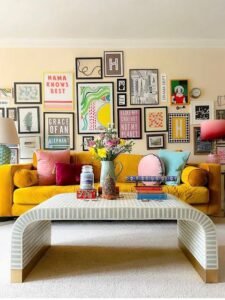
- Maximalist Eclectic: Bold colours, pattern mixing, collected objects, layered textiles. For those who find minimalism cold and want a room that expresses abundant personality.
- Hotel Glam: Statement bed frame, luxurious bedding, mirrored surfaces, metallic accents, dramatic lighting. For those who want their bedroom to feel like an exceptional hotel suite.

Pinterest is an excellent source of inspiration for creating a mood board, helping you explore design styles, furniture ideas, and colour palettes before starting your home makeover.
Step 5: Build Your Mood Board
Once you have chosen a design direction, create a comprehensive mood board — either physically (cut images from magazines and arrange on a board) or digitally (Pinterest, Canva, or a simple folder of saved images). Include: wall colour inspiration, bed frame style, bedding colour and texture, window treatment style, rug style and colour, lighting fixtures, plants and natural elements, and accessory style. The mood board serves as a visual guide that keeps all purchasing decisions aligned with the overall vision, preventing the impulse purchases that derail makeover projects.
The most useful mood board has a single dominant aesthetic direction rather than being a collection of individually beautiful but stylistically inconsistent images. If your board contains a minimalist Japanese bed frame alongside a heavily ornate Victorian mirror alongside a boho macrame wall hanging, it reflects stylistic indecision that will produce a room that feels eclectic at best and incoherent at worst. Edit rigorously until the board communicates a single, clear, confident aesthetic story.
PHASE 3: EXECUTION ORDER
Step 6: The Correct Order of Bedroom Makeover Work
The order in which you execute a bedroom makeover matters significantly — doing things in the wrong sequence results in damage to completed work, wasted effort, and often additional cost. The evidence-based order for a 2026 bedroom makeover is:
- Deep clean and declutter. Remove everything non-essential from the room. This gives you an accurate picture of the space you are working with and prevents new purchases from arriving in an already-cluttered environment.
- Fix any structural or maintenance issues. Repair damaged walls or ceilings, fix sticking doors or drawers, and replace broken hardware. Decorating over unresolved maintenance issues creates a poor foundation.
- Paint and decorate. Apply paint, wallpaper, or panelling before any furniture is moved in or bedding is laid. This is the messiest phase and is most efficiently done with an empty room.
- Install or replace window treatments. Curtain poles, blinds, and curtains should be installed after painting to avoid paint splashes on fabric.
- Move in and arrange furniture. Large furniture pieces — bed frame, wardrobe, chest of drawers — are positioned before flooring and smaller items, as they are the hardest to move once other elements are in place.
- Lay flooring or rugs. Position rugs after large furniture is in place to ensure correct sizing and positioning relative to the furniture.
- Add lighting. Install pendant fixtures, wall sconces, and plug-in lamps. Replace bulbs with the correct colour temperature.
- Dress the bed and add soft furnishings. Bedding, pillows, cushions, and throws are the finishing textiles that make the room feel complete.
- Arrange accessories and art. Hang artwork at the correct height, arrange display surfaces, and add plants and decorative objects as the final layer.
- Final review and edit. Walk the room critically and remove anything that does not serve the design vision or that feels out of place.

A modern bedroom featuring warm wood finishes, layered lighting, and neutral furnishings creates a relaxing retreat that is both elegant and comfortable. 
Classic white furniture, soft neutral tones, and a sparkling crystal chandelier create a timeless bedroom that feels bright, elegant, and relaxing.
PHASE 4: THE DETAILS THAT MAKE THE DIFFERENCE
Artwork and Gallery Walls
Artwork gives a bedroom personality and prevents it from feeling like a display home rather than a lived-in sanctuary. In 2026, the most universally effective bedroom art approach is a single large piece on the feature wall — a painting, a large print, a piece of textile art, or a statement mirror — rather than a gallery wall of multiple smaller pieces. Single large pieces create more visual impact, require fewer decisions, and are less likely to create the busy, cluttered feeling that poorly executed gallery walls can produce.
If a gallery wall is the right choice for your aesthetic, plan it carefully on paper first — tracing around each frame to get the layout right before drilling a single hole in the wall. The most cohesive gallery walls use consistent frame materials or colours, even with varied artwork styles, and maintain a consistent minimum gap between frames (typically 5-7cm).
Plants as Design Elements

Living plants are one of the most impactful and most underutilised bedroom design elements. A single large architectural plant — a monstera deliciosa, a fiddle-leaf fig, or a large snake plant — in a quality ceramic or terracotta pot adds life, oxygen, and a striking vertical design element that no purchased accessory can replicate. In 2026, plants are considered essential rather than optional in the most aspirational bedroom design schemes. The ideal bedroom plant in 2026 combines air-purifying properties with architectural presence and low maintenance requirements.

The Final Checks: Is Your Bedroom Really Working?
Before declaring your bedroom makeover complete, assess it against the following criteria, which are the hallmarks of a genuinely successful bedroom transformation in 2026:
- Sleep quality: Is the room cool, dark, and quiet enough for your best sleep? Is the mattress and bedding genuinely comfortable? These are the non-negotiable foundations.
- Visual calm: When you stand in the doorway, does the room feel calm and uncluttered? Can you see clear floor space? Are surfaces minimal and intentional?
- Cohesion: Does everything in the room feel like it belongs together? Is there a consistent aesthetic language across the furniture, textiles, and accessories?
- Personal expression: Does the room feel like you? Does it reflect your personality, your values, and what you find genuinely beautiful?
- Functionality: Can you find everything you need easily? Is the lighting right for every use case? Is there enough storage?
- Morning mood: When you wake up and open your eyes, does the room make you feel good? Does the light quality, the view to the wall opposite, and the overall environment support a positive start to the day?
If the honest answer to all these questions is yes, your bedroom makeover is complete. If not, the question that is answered ‘no’ points to the next priority for improvement — creating a continuous improvement cycle that progressively moves the room toward the sanctuary it deserves to be.
© 2026 bedroomstylereviews.com — All Rights Reserved
Affiliate Disclosure: We earn commission from qualifying Amazon purchases. All opinions are our own.

Dan is the founder and head content creator at Bedroom Style Reviews.
He has been working as a professional online product reviewer since 2015 and was inspired to start this website when he ended up sleeping on a memory foam mattress that was too soft and gave him backache.
Through in-depth research and analysis, Dan’s goal with this website is to help others avoid such pitfalls by creating the best online resource for helping you find your ideal mattress, bedding, and bedroom furniture.
Dan is a qualified NVQ Level 2 Fitness Instructor with 6 years’ experience helping clients improve their health through diet, exercise, and proper sleep hygiene.
He also holds several college and university-level qualifications in health sciences, psychology, mathematics, art, and digital media creation – which helps him to publish well researched and informative product reviews as well as articles on sleep, health, wellbeing, and home decor.
Dan also has direct personal experience with insomnia, anxiety, misophonia (hypersensitivity to sounds), and pain from both acute and long-standing sporting injuries – he enjoys writing insightful articles around these subjects to help fellow sufferers of such conditions.
Learn more about Dan here.