
Contents
By Bedroom Style Reviews Editorial Team
A good night’s sleep begins with more than just a comfortable mattress. While mattresses and pillows often receive the most attention, the bed sheets you sleep on every night play an equally important role in determining your comfort, body temperature, and overall sleep quality. Because bed sheets remain in direct contact with your skin for several hours, the fabric you choose can influence how cool, warm, dry, or comfortable you feel throughout the night.
Many people purchase one set of bed sheets and use them year-round without considering how changing weather conditions affect sleep. However, just as clothing changes with the seasons, bedding should also adapt to different temperatures and humidity levels. Thick sheets that feel warm and cozy during winter may become uncomfortable during hot summer nights, while lightweight summer sheets may not provide enough insulation when temperatures drop.
The right seasonal bed sheets can help regulate body temperature, improve airflow, wick away moisture, and create a healthier sleeping environment. Modern bedding technology has also expanded the range of available materials, making it easier than ever to find sheets that match your sleeping habits, local climate, and personal preferences.
In 2026, consumers will have access to a wide selection of high-quality bedding materials, including premium cotton, European flax linen, bamboo lyocell, Tencel™, organic fabrics, and innovative moisture-regulating textiles. Understanding how these materials perform in different seasons allows you to make smarter purchasing decisions instead of relying solely on thread count or marketing claims.
This comprehensive guide explores everything you need to know before buying seasonal bed sheets. You’ll learn how different fabrics compare, which weaves perform best throughout the year, how thread count and GSM influence comfort, and how to choose sheets that provide the perfect balance of softness, durability, breathability, and style for every season.
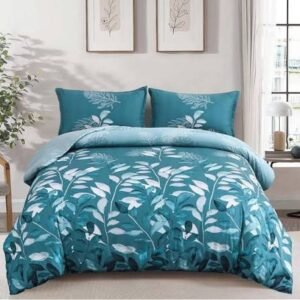
Why Seasonal Bed Sheets Matter?
Many people underestimate the impact bed sheets have on sleep quality. During sleep, the human body naturally regulates its internal temperature by releasing heat and moisture through the skin. If your bedding traps too much heat or fails to absorb moisture effectively, you may experience discomfort that interrupts your sleep cycle. Frequent tossing and turning, waking up sweaty, or feeling cold during the night are often signs that your bed sheets are not suited to the current season.
Seasonal bed sheets are designed to support your body’s natural temperature regulation. Lightweight, breathable fabrics promote airflow during warmer months, allowing excess heat to escape and moisture to evaporate more quickly. During colder months, denser fabrics provide insulation while still allowing enough breathability to prevent overheating.
Humidity also plays a significant role in sleep comfort. In humid climates, fabrics that wick moisture away from the body help keep sleepers dry and comfortable. Conversely, in dry winter conditions, softer and slightly heavier fabrics provide warmth without irritation.
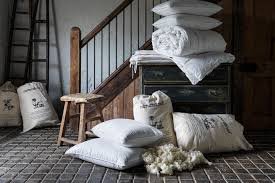
Factors to Consider Before Buying Bed Sheets
Choosing bed sheets involves much more than selecting a color or pattern that matches your bedroom décor. Several technical characteristics determine how sheets feel, perform, and last over time. Understanding these factors helps you choose bedding that suits both your climate and personal sleep preferences.
Fabric Material
The fabric is the single most important factor influencing the comfort and performance of bed sheets. Different fibers vary in softness, breathability, durability, moisture absorption, and ease of maintenance.
Cotton
Cotton remains the most popular bed sheet material worldwide because it offers an excellent balance of comfort, durability, and affordability. High-quality cotton sheets are breathable, soft, and suitable for nearly every climate. However, not all cotton is the same. Long-staple cotton varieties, such as Egyptian, Pima, and Supima cotton, produce smoother, stronger, and more durable fabrics than standard short-staple cotton.
Cotton sheets are available in different weaves, including percale for a crisp, cool feel and sateen for a softer, silkier texture. They are also easy to wash, making them a practical choice for everyday use.
Linen
Linen, made from the fibers of the flax plant, has become one of the most sought-after bedding materials in recent years. Unlike cotton, linen has a naturally textured appearance that softens with every wash. It is highly breathable and excellent at regulating temperature, keeping sleepers cool during summer and surprisingly comfortable during cooler months.
Linen is also highly durable and can last for many years with proper care. Although it generally costs more than cotton, its longevity and performance make it a worthwhile investment for many households.
Bamboo
Bamboo-derived fabrics, particularly bamboo lyocell, are known for their silky softness and moisture-wicking properties. They naturally regulate temperature and feel cool against the skin, making them a popular choice for hot sleepers and humid climates.
Quality varies depending on the manufacturing process, so choosing responsibly produced bamboo sheets from reputable brands is important.
Microfiber
Microfiber sheets are made from finely woven synthetic fibers, typically polyester. They are inexpensive, wrinkle-resistant, and easy to maintain. However, because microfiber traps more heat than natural fibers, it may not be the best option for hot sleepers or warm climates.
Silk
Silk sheets offer unmatched luxury with a smooth surface that reduces friction on skin and hair. They naturally regulate temperature and provide year-round comfort, but require delicate care and are among the most expensive bedding options.
Flannel
Flannel is a brushed cotton fabric specifically designed for cold weather. Its raised fibers trap warm air, creating excellent insulation while maintaining softness. High-quality cotton flannel remains breathable enough to prevent excessive overheating, making it one of the best choices for winter bedding.
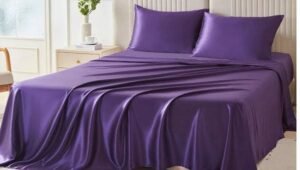
Best Bed Sheets for Every Season & Fabric Comparisons
Best Bed Sheets for Spring
Spring is a season of transition, with temperatures fluctuating between cool mornings, warm afternoons, and chilly nights. Because of these changes, choosing bed sheets that offer a balance of breathability and moderate warmth is essential. Heavy winter sheets may feel too warm, while ultra-light summer bedding may leave you feeling cold during early spring evenings.
The ideal spring bed sheets should promote airflow while still providing enough insulation for cooler nights. Natural fibers perform particularly well during this season because they adapt to changing body temperatures more effectively than synthetic materials.
Best Fabric Choices
Cotton Percale
Percale cotton is one of the best choices for spring. Its crisp, lightweight weave promotes excellent airflow while maintaining enough structure to feel comfortable on slightly cooler nights. Percale sheets also become softer with every wash without losing their breathable qualities.
These sheets are especially suitable for people who enjoy the fresh, hotel-style feel of newly laundered bedding.
Lightweight Linen
Linen naturally regulates body temperature, making it an excellent option for spring. Unlike synthetic fabrics that can trap heat, linen responds to your body’s changing temperature, helping you remain comfortable throughout the night.
Because linen absorbs moisture efficiently, it also performs well during rainy spring weather when humidity begins to increase.
Bamboo Sheets
Bamboo sheets combine softness with effective moisture management. Their silky texture feels gentle against the skin while helping regulate temperature during unpredictable spring weather.
They are particularly beneficial for sleepers who experience occasional night sweats as temperatures begin to rise.
Recommended GSM
For spring, choose fabrics between 140–170 GSM. This weight provides a comfortable balance between warmth and breathability without feeling overly heavy.
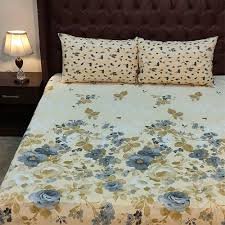
Ideal Colors for Spring
Spring is associated with freshness and renewal. Light, calming colors help create a peaceful bedroom atmosphere while reflecting natural daylight.
Popular spring colors include:
- White
- Soft Blue
- Sage Green
- Lavender
- Pale Pink
- Cream
- Light Grey
These shades make the bedroom appear brighter and more spacious while complementing seasonal décor.
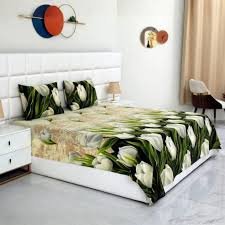
A contemporary tropical leaf bedding set that brings a fresh, nature-inspired look to any modern bedroom
Best Bed Sheets for Summer
Summer presents the greatest challenge for comfortable sleep. High temperatures, humidity, and perspiration can significantly reduce sleep quality if your bedding traps heat. The primary goal during summer is to maximize airflow and moisture control.
Natural, breathable fabrics outperform synthetic materials during hot weather because they allow excess heat to escape instead of trapping it around the body.
Linen: The Ultimate Summer Fabric
Linen continues to be considered one of the finest bedding materials for summer.
Its unique fiber structure allows continuous airflow throughout the fabric, helping heat escape naturally. Unlike many synthetic materials, linen does not cling to the skin when humidity rises.
Additional advantages include:
- Superior breathability
- Excellent moisture absorption
- Fast drying
- Naturally antibacterial properties
- Exceptional durability
- Improved softness after every wash
Although premium linen sheets may cost more initially, their longevity often makes them a worthwhile investment.
Cotton Percale
Percale cotton remains another excellent summer choice because of its lightweight construction and crisp finish.
Its plain weave creates small gaps that improve ventilation while reducing heat retention.
Percale is especially recommended for:
- Hot sleepers
- Warm climates
- Humid regions
- Minimalist bedroom styles
Bamboo Lyocell
Modern bamboo lyocell sheets have become increasingly popular because they remain cool throughout the night.
Benefits include:
- Silky softness
- Effective moisture-wicking
- Naturally breathable fibers
- Comfortable drape
- Reduced friction against the skin
People with sensitive skin often appreciate bamboo’s smooth texture.
Tencel™ Lyocell
Tencel offers similar cooling performance with additional sustainability benefits.
Its moisture management capabilities help reduce overheating while maintaining a luxurious feel throughout the night.
Fabrics to Avoid During Summer
Some fabrics tend to trap excessive heat.
These include:
- Heavy microfiber
- Thick polyester blends
- Heavy sateen cotton
- Dense flannel
Although comfortable during colder months, these materials may cause overheating during summer.
Best Bed Sheets for Autumn
Autumn bridges the gap between warm summer nights and colder winter evenings. During this season, temperatures gradually decline, making medium-weight bedding the most practical option.
Instead of switching immediately to heavy winter sheets, many households benefit from fabrics that provide moderate insulation while remaining breathable.
Cotton Sateen
Sateen cotton becomes particularly comfortable during autumn because its silky weave retains slightly more warmth than percale.
Advantages include:
- Smooth finish
- Gentle warmth
- Luxurious appearance
- Reduced wrinkling
- Comfortable drape
Sateen works well for people who begin feeling cold as outdoor temperatures decrease.
Medium-Weight Linen
Medium-weight linen (170–190 GSM) remains suitable throughout autumn because it adapts to changing nighttime temperatures.
Unlike synthetic materials, linen allows excess warmth to escape if the room becomes warmer during the night.
Bamboo
Bamboo sheets continue performing well during autumn because they regulate temperature naturally.
They remain comfortable whether nights are relatively warm or unexpectedly cool.
Recommended Colors
Autumn-inspired colors help create a warm, inviting bedroom atmosphere.
Popular choices include:
- Terracotta
- Rust
- Olive Green
- Camel
- Chocolate Brown
- Taupe
- Deep Beige
Layering textured throws and decorative cushions enhances seasonal comfort.
Best Bed Sheets for Winter
Winter requires bedding that retains warmth without creating excessive perspiration. Many people mistakenly assume that thicker always means better. In reality, breathable insulation creates the most comfortable sleeping environment.
Cotton Flannel
Flannel remains one of the most popular winter sheet materials.
During manufacturing, the cotton fibers are brushed to create a soft surface that traps warm air.
Benefits include:
- Outstanding insulation
- Cozy texture
- Soft touch
- Comfortable warmth
- Reduced cold feeling when getting into bed
Choose high-quality cotton flannel instead of polyester blends for better breathability.
Cotton vs Linen vs Bamboo vs Tencel: Which Material Is Best?
| Feature | Cotton | Linen | Bamboo |
| Breathability | Excellent | Outstanding | Excellent |
| Softness | Very Good | Improves with age | Extremely Soft |
| Durability | Excellent | Exceptional | Good |
| Moisture Control | Good | Excellent | Excellent |
| Cooling Ability | Very Good | Outstanding | Excellent |
| Winter Warmth | Moderate | Good | Moderate |
| Maintenance | Easy | Moderate | Easy |
Each fabric excels under different conditions.
Which Fabric Should You Choose?
If you want a single fabric that performs well in nearly every season, high-quality cotton is an excellent all-around choice. If staying cool during warm nights is your priority, linen offers unmatched breathability. For those who prefer a silky, moisture-wicking feel, bamboo is a strong contender. If sustainability and premium comfort are important, Tencel™ Lyocell is a modern, eco-conscious option.
Ultimately, the best bed sheets are those that match your local climate, personal comfort preferences, and long-term maintenance expectations. Investing in two or three seasonal sheet sets rather than relying on one all year round can significantly improve both sleep quality and the lifespan of your bedding.
Choosing Bed Sheets for Different Types of Sleepers
Not everyone sleeps the same way. Some people naturally sleep hot, while others feel cold even during mild weather. Your sleeping habits, health conditions, and even your local climate should influence the type of bed sheets you choose. Selecting sheets that match your individual needs can make a noticeable difference in sleep quality and comfort.
Best Bed Sheets for Hot Sleepers
Hot sleepers often wake up feeling overheated or sweaty because their bedding traps excess body heat. The best sheets for hot sleepers are lightweight, breathable, and capable of wicking moisture away from the skin.
Recommended fabrics include:
- Linen
- Cotton Percale
- Bamboo Lyocell
- Tencel™ Lyocell
These materials allow air to circulate freely and help regulate body temperature throughout the night.
Hot sleepers should also choose lighter-colored sheets such as white, light grey, or pale blue, as these shades create a cooler visual atmosphere in the bedroom.
Avoid:
- Heavy microfiber
- Thick polyester blends
- Dense sateen weaves
- Heavy flannel during warmer months
Best Bed Sheets for Cold Sleepers
Cold sleepers benefit from fabrics that provide insulation while still allowing enough breathability to prevent overheating.
Excellent choices include:
- Cotton Flannel
- Cotton Sateen
- Heavyweight Linen
- High-quality Cotton
Adding multiple layers rather than relying on one thick blanket allows you to adjust warmth as temperatures change during the night.
Best Sheets for Allergy Sufferers
Dust mites, pollen, and pet dander can accumulate in bedding, making sheet material an important consideration for people with allergies.
Look for naturally breathable fabrics that are easy to wash frequently.
Recommended options include:
- Organic Cotton
- Bamboo Lyocell
- Tencel™
- Linen
Wash sheets every 7–10 days using fragrance-free detergent and hot water when recommended by the manufacturer to reduce allergens.
Best Sheets for Sensitive Skin
People with eczema or sensitive skin should prioritize smooth, natural fibers that minimize friction.
Ideal fabrics include:
- Organic Cotton
- Bamboo Lyocell
- Silk
- Tencel™
Avoid rough synthetic materials or fabrics treated with harsh chemical finishes.
Understanding Bed Sheet Sizes
Choosing the correct sheet size is just as important as selecting the right fabric. Even high-quality sheets will feel uncomfortable if they are too small or excessively loose.
| Mattress Size | Typical Dimensions |
| Twin | 38 × 75 inches |
| Twin XL | 38 × 80 inches |
| Full | 54 × 75 inches |
| Queen | 60 × 80 inches |
| King | 76 × 80 inches |
| California King | 72 × 84 inches |
Check Pocket Depth
Modern mattresses vary greatly in thickness, especially those with pillow tops or mattress toppers. Always check the fitted sheet’s pocket depth before purchasing.
General guidelines:
- Standard mattresses: 8–12 inches
- Deep mattresses: 13–16 inches
- Extra-deep mattresses: 17–22 inches
A properly fitted sheet stays secure throughout the night and prevents bunching or slipping.
How Many Sheet Sets Should You Own?
Many sleep experts recommend owning at least three sets of bed sheets.
A practical collection includes:
- Two lightweight sets for spring and summer
- One medium-weight set for autumn
- One warm set for winter
Having multiple sheet sets offers several advantages:
- Easier weekly washing
- Longer lifespan for each set
- Greater flexibility during seasonal weather changes
- Better sleep hygiene
Rotating bedding throughout the year helps preserve fabric quality and ensures that fresh sheets are always available.
Common Bed Sheet Buying Mistakes
Buying bed sheets may seem straightforward, but many shoppers make mistakes that lead to discomfort or unnecessary expense.
Focusing Only on Thread Count
Thread count is one of the most misunderstood aspects of bedding. While it does influence softness, an extremely high thread count does not automatically mean better quality.
Premium long-staple cotton with a 300-thread count often performs better than low-quality cotton advertised with a 1,000-thread count.
Ignoring Fabric Quality
The quality of the fibers matters far more than marketing claims. Long-staple cotton, European flax linen, and responsibly produced bamboo generally provide better comfort and durability than inexpensive synthetic alternatives.
Choosing the Wrong Weave
Percale and sateen may both be made from cotton, but they feel very different. Choosing the wrong weave for your climate can affect your sleep quality.
- Percale is ideal for warm climates.
- Sateen is better suited to cooler temperatures.
Buying the Wrong Size
Always measure your mattress, especially if you use a mattress topper. Ill-fitting sheets can become uncomfortable and wear out more quickly.
Ignoring Care Instructions
Some premium fabrics require specific washing methods. Failing to follow the manufacturer’s care instructions can reduce softness, cause shrinkage, or shorten the lifespan of your bedding.
How to Care for Bed Sheets
Proper care helps preserve softness, color, and durability for years.
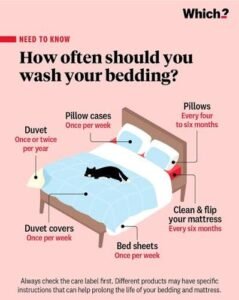
Wash Sheets Weekly
Body oils, sweat, skin cells, and dust accumulate quickly.
Weekly washing helps:
- Maintain hygiene
- Reduce allergens
- Prevent odors
- Extend fabric life
If you sweat heavily or have allergies, washing every 5–7 days may be even more beneficial.
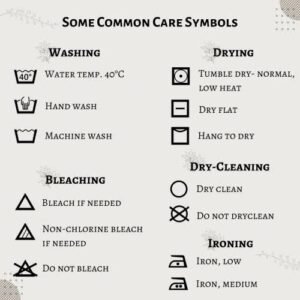
Use Mild Detergent
Harsh detergents and excessive bleach gradually weaken fabric fibers.
Choose a gentle, color-safe detergent and avoid fabric softeners unless recommended by the manufacturer, as they can reduce the breathability of certain fabrics.
Wash in Cool or Warm Water
Extremely hot water can shrink natural fibers and fade colors over time.
Cool or warm water is generally sufficient for most cotton, bamboo, linen, and Tencel sheets.
Dry Carefully
Air drying is the gentlest option and helps preserve fabric quality. If using a dryer, choose a low-heat setting and remove the sheets promptly to reduce wrinkles.
Store Bedding Properly
Before storing seasonal bedding:
- Wash and dry thoroughly.
- Fold neatly.
- Store in breathable cotton bags or linen storage containers.
- Keep in a cool, dry place away from direct sunlight.
Avoid sealing sheets in plastic bags for extended periods, as trapped moisture can encourage mildew.
Comparison Table
| Fabric | Summer | Winter | Breathability | Durability |
|---|---|---|---|---|
| Cotton | ⭐⭐⭐⭐ | ⭐⭐⭐ | High | High |
| Linen | ⭐⭐⭐⭐⭐ | ⭐⭐⭐⭐ | Excellent | Excellent |
| Bamboo | ⭐⭐⭐⭐⭐ | ⭐⭐⭐ | Excellent | Good |
| Flannel | ⭐ | ⭐⭐⭐⭐⭐ | Moderate | High |
Sustainable Bedding Trends in 2026
Consumers are increasingly choosing bedding that is both comfortable and environmentally responsible. Sustainable bed sheets often use responsibly sourced materials and eco-friendly manufacturing processes while maintaining high performance and durability.
Organic Cotton
Organic cotton is grown without harmful synthetic pesticides and fertilizers, making it a more environmentally conscious option. It is soft, breathable, and ideal for people with sensitive skin.
European Flax Linen
Linen produced from European flax is widely recognized for its quality and sustainable cultivation. Flax generally requires less water than conventional cotton and thrives with fewer agricultural inputs.
Tencel™ Lyocell
Tencel™ is produced using wood pulp from responsibly managed forests. Its manufacturing process recycles water and solvents, reducing environmental impact while creating a smooth, breathable fabric.
Bamboo Lyocell
Responsibly manufactured bamboo lyocell offers many of the comfort benefits associated with bamboo while using cleaner production methods than traditional bamboo viscose.
Certifications to Look For
Quality certifications provide additional confidence when purchasing premium bedding.
Look for labels such as:
- OEKO-TEX® Standard 100 – Indicates that the fabric has been tested for harmful substances.
- GOTS (Global Organic Textile Standard) – Confirms that organic fibers meet strict environmental and social criteria.
- European Flax® – Certifies responsibly grown European flax.
- Better Cotton – Supports more sustainable cotton farming practices.
These certifications help consumers identify products that meet recognized quality and environmental standards.
Complete Bed Sheet Buying Checklist
Before purchasing new bed sheets, ask yourself the following questions:
✔ What season will the sheets be used in?
✔ Which fabric best suits my sleeping temperature?
✔ Do I prefer a crisp or silky feel?
✔ Is the thread count appropriate for the fabric?
✔ What is the GSM or fabric weight?
✔ Does the fitted sheet match my mattress depth?
✔ Are the care instructions practical for my lifestyle?
✔ Does the bedding have recognized quality certifications?
✔ Will the colors complement my bedroom décor?
✔ Is the product backed by positive customer reviews and a reliable warranty?
Choosing the best bed sheets for every season is an investment in better sleep, improved comfort, and a healthier bedroom environment. Rather than relying on a single set of sheets year-round, selecting fabrics that match seasonal temperatures allows your bedding to work with your body’s natural temperature regulation instead of against it.
For warmer months, breathable materials such as linen, cotton percale, bamboo lyocell, and Tencel™ provide excellent airflow and moisture management, helping you stay cool and comfortable throughout the night. As temperatures fall, cotton sateen, heavyweight linen, and flannel offer the warmth and coziness needed for restful winter sleep without sacrificing breathability.
Beyond fabric choice, paying attention to weave, thread count, GSM, mattress size, and proper care can significantly extend the lifespan of your bedding. Investing in high-quality sheets and rotating them with the seasons not only improves sleep quality but also preserves their softness, appearance, and durability over time.
As bedding innovations continue to evolve in 2026, informed consumers have more options than ever before. By understanding the strengths of different materials, choosing products with trusted certifications, and following proper maintenance practices, you can create a comfortable, stylish, and functional sleep environment that supports restful nights in every season.
© 2026 bedroomstylereviews.com — All Rights Reserved
Affiliate Disclosure: We earn commission from qualifying Amazon purchases. All opinions are our own.

Dan is the founder and head content creator at Bedroom Style Reviews.
He has been working as a professional online product reviewer since 2015 and was inspired to start this website when he ended up sleeping on a memory foam mattress that was too soft and gave him backache.
Through in-depth research and analysis, Dan’s goal with this website is to help others avoid such pitfalls by creating the best online resource for helping you find your ideal mattress, bedding, and bedroom furniture.
Dan is a qualified NVQ Level 2 Fitness Instructor with 6 years’ experience helping clients improve their health through diet, exercise, and proper sleep hygiene.
He also holds several college and university-level qualifications in health sciences, psychology, mathematics, art, and digital media creation – which helps him to publish well researched and informative product reviews as well as articles on sleep, health, wellbeing, and home decor.
Dan also has direct personal experience with insomnia, anxiety, misophonia (hypersensitivity to sounds), and pain from both acute and long-standing sporting injuries – he enjoys writing insightful articles around these subjects to help fellow sufferers of such conditions.
Learn more about Dan here.