
Contents
By Bedroom Style Reviews Editorial Team
Apartment living has become increasingly popular across the world, especially in urban areas where space comes at a premium. Whether purchasing furniture for a studio apartment, a one-bedroom apartment, or a compact city home, selecting the right bedroom furniture requires careful planning. Unlike larger houses, apartments often have limited square footage, making every furniture decision more important.
A beautifully designed bedroom is not determined by its size but by how efficiently the available space is used. Well-chosen furniture can make even a small bedroom appear larger, brighter, and more organized. On the other hand, oversized furniture or poor layout choices can quickly make a room feel cramped and uncomfortable.
Choosing bedroom furniture for apartments involves balancing several factors, including room dimensions, storage requirements, comfort, aesthetics, and long-term durability. Furniture should complement the room rather than dominate it, while also serving practical purposes that enhance daily living.
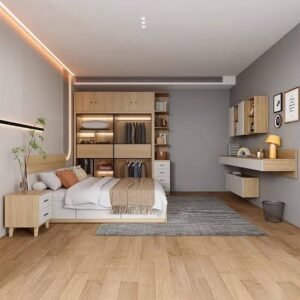
Understand the Size and Layout of Your Bedroom Before Buying Furniture
The biggest mistake apartment owners make is purchasing furniture before understanding the actual dimensions of their bedroom. Furniture may appear perfectly sized in a showroom or online photograph, but feel overwhelming once placed inside a compact apartment bedroom.
Before shopping, carefully measure the length, width, and ceiling height of the room. Also note the positions of doors, windows, electrical outlets, radiators, closets, and any architectural features that may affect furniture placement. Creating a simple floor plan—even on paper—can help visualize where each piece will fit.
Pay particular attention to walking space. A bedroom should remain comfortable to move around without squeezing between furniture. Interior designers generally recommend leaving at least 24 to 30 inches (60–76 cm) of clearance around the sides and foot of the bed whenever possible. Maintaining this circulation space makes the room feel more open and improves everyday usability.
Another important consideration is the delivery path. Apartment buildings often have narrow staircases, elevators, and hallways that may limit the size of furniture that can be moved into the room. Measuring entrances before making a purchase can prevent costly delivery issues. Choose the Right Bed Size Instead of the Biggest Bed Available
The bed is the focal point of every bedroom, but bigger is not always better—especially in an apartment. Selecting the correct bed size is one of the most important decisions when furnishing a compact space.
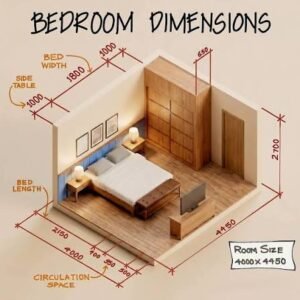
Many buyers assume that a king-size bed automatically provides the best sleeping experience. While larger beds offer additional sleeping space, they also occupy a significant portion of the room, leaving little space for wardrobes, nightstands, or comfortable movement.
For most apartment bedrooms, a queen-size bed offers the best balance between comfort and efficient use of space. Couples generally find queen beds spacious enough while preserving room for additional furniture. In smaller apartments or guest bedrooms, a full-size or double bed may be an even more practical option.
Studio apartments often benefit from Murphy beds, wall beds, sofa beds, or daybeds that provide flexibility throughout the day. These designs allow the bedroom to serve multiple purposes without sacrificing comfort.
Prioritize Multi-Functional Furniture That Serves More Than One Purpose
One of the smartest strategies for apartment living is to select furniture that serves multiple functions. Every square foot matters, and furniture that serves two or three purposes can significantly improve both organization and functionality.
Modern furniture manufacturers have developed countless innovative solutions specifically for compact homes. Storage beds combine sleeping space with hidden compartments. Ottomans provide seating while concealing blankets or clothing. Benches placed at the foot of the bed can function as seating, storage, and decorative accents simultaneously.
Foldable desks, nesting tables, extendable dressing tables, and convertible furniture allow homeowners to adapt their space according to changing needs. These pieces are especially useful in studio apartments where bedrooms often double as workspaces.
Nightstands with shelves and drawers offer much more utility than simple side tables. Likewise, wardrobes with adjustable shelving systems provide greater flexibility for organizing clothing, shoes, and accessories.
Multi-functional furniture also reduces clutter. Instead of filling a room with several separate furniture pieces, homeowners can accomplish the same objectives with fewer, more efficient items. This creates a cleaner appearance while making the bedroom feel larger.
Investing in versatile furniture may cost slightly more initially, but the long-term value is considerably higher because each piece serves multiple aspects of daily life.
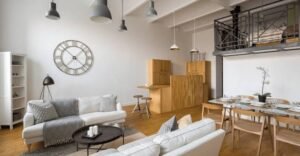
Select Storage Solutions That Maximize Every Available Inch
Storage is often the biggest challenge in apartment bedrooms. Limited closet space means furniture must help compensate by providing additional storage without making the room feel crowded.
Instead of thinking only about traditional wardrobes, consider every possible storage opportunity within the bedroom. Beds with under-bed storage drawers make excellent use of otherwise wasted space. Vertical shelving units utilize wall height rather than valuable floor space, helping keep the room organized while maintaining an open layout.
Tall dressers are often a better choice than wide chests because they provide similar storage capacity while occupying less floor area. Likewise, wardrobes that extend close to the ceiling maximize vertical storage, allowing infrequently used items to be stored on higher shelves.
Floating shelves installed above the bed, beside windows, or over dressers provide additional storage without taking up any floor space. Decorative baskets and storage boxes placed on shelves can keep smaller belongings organized while maintaining a neat appearance.
Furniture with concealed storage compartments also contributes to a cleaner bedroom. Hidden storage reduces visual clutter, making compact rooms feel calmer and more spacious.
When evaluating bedroom furniture, always consider not only how attractive it looks but also how efficiently it helps organize your belongings.

Choose a Wardrobe That Fits Your Space and Storage Needs
A wardrobe is one of the largest pieces of furniture in any bedroom, making it essential to choose one that complements the available space rather than overwhelms it. In apartments where every square foot counts, selecting the right wardrobe can significantly improve both functionality and aesthetics.
Before purchasing a wardrobe, evaluate how much clothing, footwear, accessories, and seasonal items need to be stored. Buying an oversized wardrobe simply because more storage seems appealing can leave the bedroom feeling cramped. Conversely, choosing one that is too small may result in clutter accumulating elsewhere in the room.
For compact apartment bedrooms, sliding-door wardrobes are often the most practical option. Unlike traditional hinged doors that require clearance to open, sliding doors save valuable floor space and allow furniture to be positioned closer together. Many modern sliding wardrobes also feature mirrored panels, which create the illusion of a larger room by reflecting natural light throughout the space.
Select Nightstands That Add Function Without Taking Up Too Much Space
Nightstands are often overlooked during furniture planning, yet they contribute significantly to both convenience and bedroom organization. The ideal apartment nightstand should provide essential storage while maintaining an open, uncluttered appearance.
Rather than purchasing large bedside cabinets designed for spacious homes, opt for compact models with one or two drawers. These provide enough room for everyday items such as books, chargers, glasses, medications, or personal accessories without consuming excessive floor space.
Floating nightstands are becoming increasingly popular in modern apartment interiors. Mounted directly to the wall, they free up floor space underneath, making the room appear larger and easier to clean. This minimalist approach works particularly well in contemporary bedrooms where simplicity is a key design element.
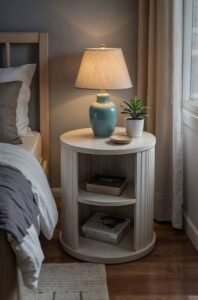
For extremely compact bedrooms, narrow side tables or wall-mounted shelves may serve the same purpose while occupying only a fraction of the space. These alternatives maintain functionality without sacrificing valuable walking room around the bed.
When choosing nightstands, ensure they are proportionate to the height of the mattress. A bedside table that sits roughly level with the mattress provides the most comfortable access to lamps, phones, books, and other frequently used items.
Matching nightstands are not always necessary. In smaller apartments, mixing different but complementary furniture pieces can create a personalized look while accommodating unique layout requirements.
Consider Furniture Materials That Balance Durability and Weight
Apartment furniture should not only look attractive but also withstand years of everyday use. Material selection affects durability, maintenance requirements, appearance, and even the ease of moving furniture during future relocations.
Solid wood remains one of the most durable furniture materials available. Oak, walnut, maple, and ash are valued for their strength, timeless appearance, and ability to last for decades with proper care. Although solid wood furniture generally costs more, it offers excellent long-term value and can often be refinished if scratched or damaged.
Engineered wood, including MDF and high-quality plywood, has become increasingly common in modern apartment furniture. Well-manufactured engineered wood products provide an attractive appearance at a more affordable price while remaining lighter than many solid wood alternatives. Quality construction and durable surface finishes are more important than simply choosing the least expensive option.
Metal furniture frames offer excellent structural strength while creating a sleek, contemporary aesthetic. Metal bed frames, shelving systems, and wardrobe structures often appear lighter visually, making them suitable for modern apartment interiors.
Glass elements can also enhance a small bedroom by reflecting light and creating an airy appearance. However, excessive use of glass may require more frequent cleaning and should be selected carefully in households with young children or pets.
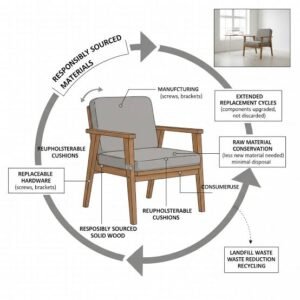
Choose Light Colors to Make the Bedroom Feel Larger
Color plays a surprisingly important role in how spacious a bedroom feels. While furniture dimensions determine physical space, color influences visual perception and can dramatically change the atmosphere of a room.
Light-colored furniture reflects more natural and artificial light, making compact bedrooms appear brighter and more open. Shades such as white, cream, soft beige, light oak, pale gray, and warm natural wood tones remain among the most popular choices for apartment interiors because they create an inviting and spacious environment.
Dark furniture can certainly add elegance and sophistication, but using too many dark finishes in a small bedroom may make the room feel enclosed. If darker furniture is preferred, balance it with light-colored walls, bedding, curtains, and flooring to maintain visual openness.
Consistency also matters. Using a coordinated color palette throughout the bedroom prevents the space from feeling fragmented. Matching or complementary finishes between the bed, wardrobe, dresser, and nightstands help create a cohesive design that feels calm and organized.
Furniture with smooth finishes and simple lines generally reflects light more effectively than heavily carved or highly ornate designs. Minimalist styles are therefore particularly well suited to apartment bedrooms where visual simplicity contributes to a greater sense of space.
Mirrored wardrobe doors, glossy finishes, and carefully placed decorative mirrors can further enhance brightness by reflecting daylight throughout the room.

Keep Furniture Proportional to the Room
Many people assume that fewer large furniture pieces are always better than several smaller ones. In reality, proportion is far more important than quantity.
Each furniture item should feel appropriately sized for the room. Oversized beds, bulky wardrobes, thick headboards, and heavy dressers can quickly dominate a compact bedroom, leaving little room for comfortable movement.
Instead, choose furniture with slimmer profiles and clean lines. Raised furniture with visible legs often appears lighter than pieces that sit directly on the floor because the visible flooring underneath creates an impression of openness.
Avoid filling every available wall with furniture. Space is an important design element that allows the room to breathe. Maintaining visual balance between furnished and open areas makes even modest-sized bedrooms feel significantly more comfortable.
As a general guideline, prioritize essential furniture first—the bed, wardrobe, and storage—before introducing decorative pieces. If additional furniture begins to restrict movement or block natural light, it is usually better to simplify the layout rather than overcrowd the room.
A thoughtfully furnished apartment bedroom should feel functional without appearing full.
Create a Functional Furniture Layout That Supports Everyday Living
Choosing the right furniture is only half the process. How you arrange that furniture determines whether your apartment bedroom feels spacious and relaxing or cramped and difficult to navigate. Even high-quality furniture can make a room feel uncomfortable if the layout is poorly planned.
Start by positioning the bed, as it is the largest and most important piece of furniture. In most apartment bedrooms, placing the headboard against the longest uninterrupted wall creates a balanced layout and leaves enough space for movement around the room. Whenever possible, avoid blocking windows, heating vents, or natural pathways to doors and closets.
Maintain clear walking paths around the bed and between major furniture pieces. Interior designers generally recommend leaving at least 24–30 inches (60–76 cm) of clearance where possible. This makes the bedroom feel open and ensures drawers, wardrobe doors, and other furniture can be used comfortably.
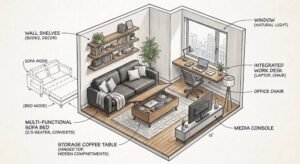
Take advantage of natural light when planning the layout. Position furniture so it does not obstruct windows, allowing sunlight to brighten the room throughout the day. A brighter room naturally appears larger and more welcoming.
Avoid placing too many tall furniture pieces along the same wall, as this can make the room feel heavy and visually crowded. Instead, distribute larger pieces evenly throughout the space to create a balanced look. Mirrors placed opposite or adjacent to windows can also help reflect light and enhance the sense of openness.
A thoughtful layout improves not only the appearance of the bedroom but also its practicality, making daily routines more convenient and enjoyable.
Choose Furniture That Matches Your Lifestyle
Every apartment is different, and so are the needs of the people living in it. The best bedroom furniture is not simply the most stylish or expensive—it is the furniture that supports your everyday lifestyle.
For example, someone working remotely may benefit from a compact desk or a dressing table that can double as a workspace. A couple sharing a one-bedroom apartment may prioritize a larger wardrobe and additional under-bed storage, while a student living in a studio apartment may prefer a Murphy bed or a sofa bed that creates more usable living space during the day.
Families with young children should look for furniture with rounded edges, durable finishes, and easy-to-clean surfaces. Pet owners may want scratch-resistant materials and fabrics that resist pet hair and stains. If you move frequently, lightweight modular furniture that is easy to assemble and disassemble can save time and reduce moving costs.
Think about your storage habits as well. If you own a large wardrobe of clothing, investing in a well-organized wardrobe system is more valuable than purchasing extra decorative furniture. If you prefer a minimalist lifestyle, fewer furniture pieces with hidden storage may better suit your needs.
Choosing furniture based on how you actually live—not just current design trends—helps create a bedroom that remains comfortable and functional for years.
Common Mistakes to Avoid When Buying Apartment Bedroom Furniture
Even with careful planning, buyers often make avoidable mistakes that reduce both functionality and comfort. Recognizing these common errors can help you make smarter purchasing decisions.
One of the most frequent mistakes is buying furniture without measuring the room first. Furniture that looks appropriately sized in a showroom can quickly overwhelm a compact apartment bedroom. Measuring the room—and the furniture—before making a purchase is essential.
Another common mistake is choosing furniture based only on appearance. While style is important, practicality should always come first. A beautiful wardrobe with poor internal storage or an attractive bed without storage may not meet your everyday needs.
Ignoring vertical space is another missed opportunity. Many apartment bedrooms have unused wall height that could accommodate taller wardrobes, shelving, or wall-mounted storage. Utilizing vertical storage helps keep the floor area open while increasing organization.
Many homeowners also overcrowd their bedrooms by purchasing unnecessary furniture. Too many decorative chairs, side tables, benches, or cabinets can make a small room feel cluttered. Focus on essentials first and only add extra pieces if space genuinely allows.
Poor-quality materials can also become expensive over time. Cheap furniture may show wear quickly, develop loose joints, or require replacement within a few years. Investing in durable construction often saves money and reduces waste.
Finally, avoid ignoring future needs. If you expect to move, work from home, or require additional storage later, choose furniture that can adapt rather than needing complete replacement.
Apartment Bedroom Furniture Buying Checklist
Before making your final purchase, review the following checklist to ensure your furniture selection meets both practical and aesthetic requirements.
- Measure the bedroom, including doors, windows, and delivery access.
- Select a bed size that leaves a comfortable walking space.
- Prioritize furniture with built-in storage whenever possible.
- Choose a wardrobe that matches your storage requirements without dominating the room.
- Use vertical storage to maximize available space.
- Select durable materials suitable for long-term use.
- Coordinate furniture colors and finishes for a cohesive appearance.
- Keep the layout open to encourage natural light and easy movement.
- Invest in quality over quantity.
- Consider future lifestyle changes before purchasing.
Using this checklist can help prevent costly mistakes and ensure your apartment bedroom remains functional, organized, and visually appealing.
Choosing bedroom furniture for an apartment is about creating a space that combines comfort, efficiency, and timeless design. While apartment bedrooms often present space limitations, thoughtful planning makes it possible to achieve a room that feels both spacious and inviting.
By measuring the room carefully, selecting appropriately sized furniture, prioritizing multifunctional designs, maximizing storage, and maintaining a balanced layout, you can transform even the smallest bedroom into a highly functional retreat. Every piece of furniture should serve a purpose, contribute to organization, and complement the overall design of the room.
Quality should always take precedence over quantity. A carefully chosen collection of durable, well-designed furniture will provide greater comfort, improve daily living, and maintain its value for years to come. Rather than filling every corner, focus on creating a bedroom that supports your lifestyle while preserving a sense of openness and tranquility.
© 2026 bedroomstylereviews.com — All Rights Reserved
Affiliate Disclosure: We earn commission from qualifying Amazon purchases. All opinions are our own.

Dan is the founder and head content creator at Bedroom Style Reviews.
He has been working as a professional online product reviewer since 2015 and was inspired to start this website when he ended up sleeping on a memory foam mattress that was too soft and gave him backache.
Through in-depth research and analysis, Dan’s goal with this website is to help others avoid such pitfalls by creating the best online resource for helping you find your ideal mattress, bedding, and bedroom furniture.
Dan is a qualified NVQ Level 2 Fitness Instructor with 6 years’ experience helping clients improve their health through diet, exercise, and proper sleep hygiene.
He also holds several college and university-level qualifications in health sciences, psychology, mathematics, art, and digital media creation – which helps him to publish well researched and informative product reviews as well as articles on sleep, health, wellbeing, and home decor.
Dan also has direct personal experience with insomnia, anxiety, misophonia (hypersensitivity to sounds), and pain from both acute and long-standing sporting injuries – he enjoys writing insightful articles around these subjects to help fellow sufferers of such conditions.
Learn more about Dan here.