
Contents
By Bedroom Style Reviews Editorial Team
2026 Trend Guide
When shopping for bedroom furniture, many buyers focus primarily on size, design, and storage features. However, one factor that has a significant impact on both appearance and long-term performance is the furniture finish. The finish not only determines how furniture looks but also affects its durability, maintenance requirements, resistance to scratches and moisture, and compatibility with different interior design styles.
Whether purchasing a new bed, wardrobe, dresser, bedside table, or chest of drawers, understanding furniture finishes can help you make a more informed investment. A beautiful finish can enhance the natural beauty of wood, brighten a room, create a luxurious appearance, or add a modern minimalist touch. At the same time, selecting the wrong finish for your lifestyle may lead to higher maintenance, visible wear, or disappointment over time.
Among the most popular choices today are matte finishes, gloss finishes, natural wood finishes, and painted wood finishes. Each offers distinct advantages and is suited to different design preferences and household needs. Some finishes excel in contemporary interiors, while others complement traditional or Scandinavian-inspired spaces.
This guide explains the characteristics, benefits, drawbacks, and ideal uses of each furniture finish, helping you choose a style that balances beauty, practicality, and longevity.
What Are Furniture Finishes?
A furniture finish is the protective and decorative coating applied to the surface of furniture. It enhances the appearance of the material while protecting it from everyday wear, moisture, sunlight, stains, and scratches. Depending on the manufacturing process, a finish may involve oils, waxes, lacquers, varnishes, polyurethane, paint, or specialized coatings.
The finish is often the first thing people notice because it influences the furniture’s texture, color, reflectivity, and overall character. A glossy wardrobe reflects light and creates a sleek appearance, while a matte dresser offers a softer, understated look. Natural wood finishes highlight the grain and texture of timber, whereas painted finishes provide unlimited color options and a more customized appearance.
Beyond aesthetics, finishes also affect maintenance. Some resist fingerprints and scratches better than others, while certain finishes require periodic refinishing to preserve their appearance. Choosing the right finish therefore, involves balancing style preferences with practical considerations such as cleaning, durability, and daily use.
Understanding these differences allows homeowners to select furniture that remains attractive and functional for many years.
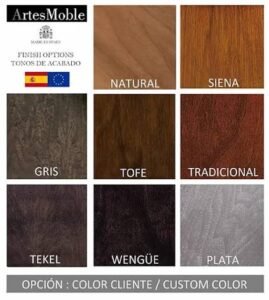
Matte Finish: A Modern Choice for Elegant Simplicity
Matte finishes have become one of the most popular choices for contemporary bedroom furniture. Unlike glossy surfaces that reflect significant amounts of light, matte finishes absorb light, creating a smooth, soft, and understated appearance.
One of the greatest advantages of matte furniture is its ability to minimize visible fingerprints, dust, and minor surface imperfections. This makes matte finishes especially practical for wardrobes, dressers, bedside tables, and storage cabinets that are handled frequently.
The subtle texture of matte furniture contributes to a relaxed and sophisticated atmosphere. It pairs exceptionally well with minimalist, Scandinavian, industrial, and modern interior styles where clean lines and muted colors dominate the design.
Matte finishes are available in a wide variety of colors, ranging from soft whites and warm neutrals to bold charcoal, navy, and black. Their non-reflective appearance helps create visual balance, particularly in bedrooms designed for comfort and relaxation.
However, matte finishes are not entirely maintenance-free. Although they hide fingerprints well, some matte coatings may be slightly more difficult to clean if grease or stains penetrate the textured surface. Using gentle microfiber cloths and non-abrasive cleaning products helps preserve the finish without damaging its appearance.
For homeowners seeking timeless elegance with minimal visual distraction, matte furniture remains an excellent choice.

Gloss Finish: Bright, Contemporary, and Eye-Catching
Gloss finishes are known for their highly reflective surfaces and luxurious appearance. They create a polished look that instantly adds brightness to a bedroom by reflecting both natural and artificial light.
This reflective quality makes gloss furniture particularly suitable for smaller bedrooms or apartments where increasing the perception of space is a priority. White gloss wardrobes, dressers, and bedside tables are especially popular because they help rooms appear larger and more open.
High-gloss furniture complements modern, contemporary, and luxury interior styles. Clean geometric shapes combined with glossy finishes create a sleek aesthetic often found in urban apartments and newly built homes.
Another advantage is that gloss surfaces are generally easy to wipe clean. Most spills and dust can be removed using a soft microfiber cloth, making routine maintenance relatively straightforward.
However, gloss furniture has several drawbacks. Fingerprints, dust, smudges, and minor scratches tend to be more visible than on matte surfaces. Households with young children or pets may find themselves cleaning glossy furniture more frequently to maintain its polished appearance.
Despite this additional maintenance, gloss remains a popular option for homeowners seeking a bright, modern, and sophisticated bedroom design.

Natural Wood Finish: Timeless Beauty That Never Goes Out of Style
Natural wood finishes celebrate the authentic beauty of timber by enhancing its grain, texture, and color rather than covering it with paint or heavy coatings. Instead of changing the wood’s appearance, these finishes protect the surface while allowing its natural character to remain visible.
Common natural finishes include clear lacquer, polyurethane, wax, hardwax oil, tung oil, linseed oil, and natural wood sealers. Depending on the product used, the finish may create a matte, satin, or slightly glossy appearance while preserving the wood’s original look.
One of the biggest advantages of natural wood furniture is its timeless appeal. Unlike trendy colors that may go out of fashion, natural wood remains popular across virtually every interior design style. Oak, walnut, ash, maple, pine, and teak all possess unique grain patterns that make each furniture piece distinctive.
Natural wood also creates warmth within a bedroom. Its organic texture helps soften modern interiors while adding richness and depth that manufactured surfaces often cannot replicate. Bedrooms designed with natural wood furniture frequently feel more inviting, relaxing, and connected to nature.

Another significant benefit is longevity. High-quality solid wood furniture with a natural finish can last for decades when properly maintained. Minor scratches can often be sanded and refinished rather than requiring complete replacement, making natural wood an excellent long-term investment.
However, natural wood does require periodic care. Depending on the finish, homeowners may need to reapply protective oils or waxes to maintain moisture resistance and preserve the wood’s appearance. Direct sunlight and excessive humidity can also affect some wood species over time, making proper room conditions important.
Natural wood finishes are particularly well-suited for Scandinavian, rustic, farmhouse, Japandi, transitional, traditional, and contemporary bedrooms where warmth and authenticity are central design elements.
Painted Wood Finish: Versatile, Colorful, and Highly Customizable
Painted wood furniture offers homeowners the greatest level of design flexibility. Rather than showcasing the wood grain, painted finishes create a smooth, uniform surface available in virtually any color imaginable.
White painted furniture remains one of the most popular choices for bedrooms because it creates a bright, clean, and spacious appearance. Soft gray, cream, sage green, navy blue, charcoal, and muted earth tones have also become increasingly popular as homeowners embrace more personalized interior styles.
Painted finishes work exceptionally well for both traditional and contemporary furniture. Classic shaker-style wardrobes, modern dressers, bedside tables, and children’s bedroom furniture often feature painted surfaces because they complement a wide variety of décor styles.
One major advantage is consistency. Since the wood grain is concealed, painted furniture provides a uniform appearance across every piece in the bedroom. This makes it easier to achieve a coordinated furniture collection.
Paint also adds a protective layer that helps resist minor stains and moisture. High-quality painted finishes are generally durable enough for everyday household use when properly maintained.
However, painted furniture is not immune to damage. Heavy impacts can chip the paint, exposing the material underneath. Although small chips can usually be repaired with touch-up paint, repeated damage may eventually require refinishing.
Another consideration is changing design preferences. While natural wood remains timeless, bold paint colors may become outdated as decorating trends evolve. Choosing neutral painted finishes often provides greater long-term versatility.
For homeowners who enjoy updating their décor or adding personality to their interiors, painted wood furniture offers nearly unlimited creative possibilities.
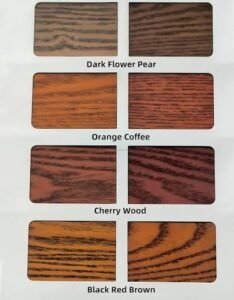
Comparing Matte, Gloss, Natural Wood, and Painted Wood Finishes
Each furniture finish offers distinct advantages, and the best choice depends on your lifestyle, maintenance preferences, and desired bedroom aesthetic.
Matte finishes are ideal for homeowners who appreciate understated elegance. Their non-reflective surfaces create a calm atmosphere while minimizing visible fingerprints and dust. Matte furniture works particularly well in minimalist and modern interiors where simplicity is emphasized.
Gloss finishes, in contrast, create brightness and visual impact. Their reflective surfaces help smaller bedrooms appear more spacious by bouncing light throughout the room. Although they require more frequent cleaning, they remain a favorite for contemporary apartments and luxury interiors.
Natural wood finishes provide unmatched authenticity. Every grain pattern is unique, giving furniture warmth and individuality. They suit homeowners seeking timeless quality and furniture that can remain beautiful for decades with proper maintenance.
Painted wood finishes prioritize versatility. With endless color options and consistent surfaces, painted furniture allows greater freedom to coordinate with changing interior design styles while creating a polished appearance.
Instead of asking which finish is universally “best,” consider which characteristics best support your lifestyle. Families with young children may prioritize durable matte finishes, while homeowners designing bright contemporary apartments may prefer gloss. Those investing in heirloom-quality furniture often choose natural wood, while painted finishes appeal to homeowners seeking decorative flexibility.

Which Furniture Finish Works Best for Different Bedroom Styles?
Furniture finishes contribute significantly to the overall personality of a bedroom. Matching the finish to the interior design style helps create a cohesive and professionally designed space.
Modern bedrooms frequently feature matte or gloss furniture because both finishes complement clean lines and minimalist forms. Matte creates a softer, more sophisticated atmosphere, while gloss emphasizes brightness and contemporary elegance.
Scandinavian interiors almost always incorporate natural wood finishes combined with white or light neutral furniture. This combination enhances natural light and reinforces the warm simplicity associated with Nordic design.
Rustic and farmhouse bedrooms depend heavily on natural wood finishes. Visible wood grain, textured surfaces, and warm timber tones help establish the comfortable, welcoming character these styles are known for.
Traditional bedrooms often combine natural wood with painted furniture in classic white, cream, or muted pastel shades. Decorative moldings and timeless craftsmanship pair beautifully with these finishes.
Industrial interiors frequently combine matte black furniture with natural wood accents, creating contrast between warm organic materials and modern industrial elements.
Coastal bedrooms typically feature white painted furniture, pale natural woods, and soft neutral finishes that evoke brightness and relaxation.
By selecting furniture finishes that complement the intended design style, homeowners can create bedrooms that feel balanced, intentional, and visually harmonious.
How to Choose the Right Furniture Finish for Your Bedroom
Selecting the right furniture finish involves more than choosing the one that looks most attractive in a showroom. The ideal finish should complement your bedroom’s design, suit your lifestyle, and withstand everyday use. By considering a few practical factors before making a purchase, you can invest in furniture that remains beautiful and functional for years.
Begin by evaluating the size of your bedroom. In smaller rooms, light-colored gloss finishes can reflect natural light and create the illusion of a more spacious interior. Matte finishes in neutral shades also work well because they provide a clean, modern appearance without overwhelming the space. For larger bedrooms, natural wood finishes add warmth and texture, making the room feel more inviting.
Next, think about your daily routine. Busy households with children or pets often benefit from matte finishes, which tend to hide fingerprints, smudges, and minor scratches better than high-gloss surfaces. If you enjoy a polished, luxurious look and do not mind frequent cleaning, gloss furniture may be the better choice.
Your existing décor should also influence your decision. Furniture finishes should coordinate with flooring, wall colors, curtains, and other furnishings. Maintaining a consistent color palette creates a harmonious bedroom that feels professionally designed.
Budget is another important consideration. Natural solid wood furniture with premium finishes often represents the highest initial investment but can last for decades with proper care. Painted and engineered wood furniture usually provides a more affordable alternative while still offering attractive designs and reliable durability.
Finally, think long-term. While bold colors and trendy finishes may seem appealing today, timeless finishes such as natural oak, walnut, matte white, and soft neutral tones generally retain their appeal for many years, making them a wiser investment.

Maintenance and Cleaning Tips for Different Furniture Finishes
Proper maintenance plays a significant role in preserving the beauty and lifespan of bedroom furniture. Although every finish requires regular care, cleaning methods should be adapted to the specific surface to avoid accidental damage.
Matte furniture should be dusted regularly using a clean microfiber cloth. Mild soap diluted in water is usually sufficient for removing everyday marks. Harsh chemical cleaners, abrasive sponges, or excessive moisture should be avoided, as they can damage the finish or leave uneven patches.
Gloss furniture benefits from frequent dusting because reflective surfaces make fingerprints and smudges more visible. Use a soft microfiber cloth to wipe away dust and fingerprints, and avoid paper towels or rough fabrics that may create fine scratches over time. Specialized furniture polish designed for gloss finishes can help maintain shine, but excessive polishing should be avoided.
Natural wood furniture requires gentle cleaning with a dry or slightly damp cloth. Depending on the type of finish, occasional treatment with wood oil, wax, or conditioner may be recommended to preserve moisture balance and protect the surface. Furniture should be kept away from prolonged direct sunlight, excessive humidity, and heating vents, as these conditions may cause fading or warping.
Painted furniture should be cleaned with a soft cloth and a mild cleaning solution. Avoid using harsh solvents or abrasive cleaners that can dull the paint or remove protective coatings. Small chips should be repaired promptly to prevent further damage and maintain the furniture’s appearance.
Regardless of the finish, using coasters, protective pads, and felt furniture protectors can minimize scratches and extend the life of your furniture. Regular maintenance not only preserves appearance but also helps maintain the furniture’s long-term value.

Common Mistakes to Avoid When Choosing Furniture Finishes
Selecting the wrong furniture finish can lead to unnecessary maintenance, reduced durability, and disappointment after purchase. Understanding common mistakes can help buyers make more informed decisions.
One frequent mistake is choosing a finish based solely on appearance. While glossy furniture may look impressive in a showroom, it may require more cleaning than expected in a busy household. Similarly, a delicate natural finish may not be ideal for high-traffic environments if regular maintenance is unlikely.
Another mistake is ignoring the amount of natural light in the bedroom. Highly reflective gloss furniture can create glare in very bright rooms, while darker matte finishes may make small or poorly lit bedrooms feel more enclosed. Balancing furniture finishes with available lighting helps create a comfortable atmosphere.
Many buyers also overlook compatibility with existing décor. Purchasing furniture in a finish that clashes with flooring, wall colors, or other furnishings can make the bedroom feel visually disjointed. A cohesive design is usually achieved by selecting finishes that complement the room’s overall color palette.
Failing to consider long-term maintenance is another common oversight. Every finish requires some level of care, and choosing one that matches your willingness to clean and maintain it is essential. Furniture should enhance your lifestyle rather than create additional work.
Finally, avoid sacrificing quality for price alone. Poorly applied finishes may peel, discolor, or scratch prematurely, reducing the lifespan of the furniture. Investing in well-manufactured furniture from reputable brands often provides better long-term value than replacing low-quality pieces after only a few years.
Bedroom Furniture Finish Buying Checklist
Before purchasing bedroom furniture, use the following checklist to ensure you select the most suitable finish for your home.
- Determine whether your bedroom benefits more from a reflective or non-reflective surface.
- Consider how much daily maintenance you are willing to perform.
- Match the finish with your preferred interior design style.
- Evaluate durability based on household activity, children, and pets.
- Choose colors that coordinate with walls, flooring, and existing furniture.
- Check the quality of the protective coating and construction.
- Inspect furniture carefully for consistent color and smooth application.
- Consider long-term trends rather than temporary fashions.
- Ask about recommended cleaning methods and maintenance requirements.
- Invest in furniture that balances beauty, durability, and practicality.
Completing this checklist before purchasing helps ensure your furniture continues to perform well while maintaining its appearance for many years.
Conclusion
Furniture finishes influence far more than appearance. They determine how furniture reflects light, complements interior design, resists daily wear, and performs over time. Whether you prefer the understated elegance of matte finishes, the contemporary brilliance of gloss, the timeless warmth of natural wood, or the versatility of painted furniture, each option offers unique benefits suited to different lifestyles and design preferences.
There is no single finish that is ideal for every bedroom. The best choice depends on factors such as room size, lighting conditions, maintenance expectations, household activity, and personal style. Understanding these differences allows homeowners to select furniture that not only enhances the beauty of their bedroom but also provides lasting value.
Investing in high-quality finishes and caring for them properly can significantly extend the lifespan of bedroom furniture. By balancing aesthetics with practicality, you can create a bedroom that remains comfortable, functional, and visually appealing for many years.
Ultimately, the right furniture finish should complement your home, support your lifestyle, and contribute to a bedroom that feels both welcoming and timeless.
© 2026 bedroomstylereviews.com — All Rights Reserved
Affiliate Disclosure: We earn commission from qualifying Amazon purchases. All opinions are our own

Dan is the founder and head content creator at Bedroom Style Reviews.
He has been working as a professional online product reviewer since 2015 and was inspired to start this website when he ended up sleeping on a memory foam mattress that was too soft and gave him backache.
Through in-depth research and analysis, Dan’s goal with this website is to help others avoid such pitfalls by creating the best online resource for helping you find your ideal mattress, bedding, and bedroom furniture.
Dan is a qualified NVQ Level 2 Fitness Instructor with 6 years’ experience helping clients improve their health through diet, exercise, and proper sleep hygiene.
He also holds several college and university-level qualifications in health sciences, psychology, mathematics, art, and digital media creation – which helps him to publish well researched and informative product reviews as well as articles on sleep, health, wellbeing, and home decor.
Dan also has direct personal experience with insomnia, anxiety, misophonia (hypersensitivity to sounds), and pain from both acute and long-standing sporting injuries – he enjoys writing insightful articles around these subjects to help fellow sufferers of such conditions.
Learn more about Dan here.