
Contents
By Bedroom Style Reviews Editorial Team
2026 Trend Guide
“Design is not just what it looks like and feels like. Design is how it works.” — Steve Jobs.
A professionally styled bedroom isn’t defined by expensive furniture alone. Instead, it’s the thoughtful combination of textures, colors, and carefully layered accessories that creates a welcoming and luxurious atmosphere. Among these design elements, throw blankets play a surprisingly important role. Although often viewed as simple decorative accessories, they have the ability to soften a room, introduce warmth, enhance comfort, and add visual depth to an otherwise ordinary bed.
Interior designers rarely leave a bed without a finishing layer. Whether it’s a neatly folded knitted throw at the foot of the bed or a casually draped cashmere blanket over one corner, this final touch makes the bedroom feel complete. Layered throws also create dimension by breaking up large expanses of bedding while introducing contrasting textures that make the room feel professionally curated rather than overly decorated.
“Have nothing in your house that you do not know to be useful or believe to be beautiful.”
— William Morris
A professionally styled bedroom isn’t defined by expensive furniture alone. Instead, it’s the thoughtful combination of textures, colors, and carefully layered accessories that creates a welcoming and luxurious atmosphere. Among these design elements, throw blankets play a surprisingly important role. Although often viewed as simple decorative accessories, they have the ability to soften a room, introduce warmth, enhance comfort, and add visual depth to an otherwise ordinary bed.
Interior designers rarely leave a bed without a finishing layer. Whether it’s a neatly folded knitted throw at the foot of the bed or a casually draped cashmere blanket over one corner, this final touch makes the bedroom feel complete. Layered throws also create dimension by breaking up large expanses of bedding while introducing contrasting textures that make the room feel professionally curated rather than overly decorated.
Beyond aesthetics, throw blankets provide practical benefits throughout the year. Lightweight cotton throws are perfect for summer afternoons, while chunky knitted or wool blankets offer additional warmth during colder months. Because they are easy to replace or rotate seasonally, throw blankets also provide an affordable way to refresh your bedroom without investing in entirely new bedding.
Learning to layer throw blankets like a designer isn’t about following strict rules. Instead, it involves understanding balance, selecting complementary materials, coordinating colors, and placing each layer with intention. Once these principles are understood, creating a luxury hotel-inspired bed becomes surprisingly simple.

Why Throw Blankets Matter in Bedroom Design
Many homeowners underestimate how much influence a single throw blanket can have on the overall appearance of a bedroom. Designers, however, consider throws an essential styling element because they connect functionality with decoration.
A throw blanket immediately introduces texture, which is one of the most important principles of interior design. Bedrooms filled with smooth surfaces often appear flat or sterile. Adding knitted wool, woven cotton, soft linen, or faux fur creates contrast that makes the room feel richer and more inviting.
Throws also help define the bed as the centerpiece of the room. Since the bed naturally occupies the largest visual space, thoughtful layering draws attention while creating a sense of comfort that encourages relaxation.
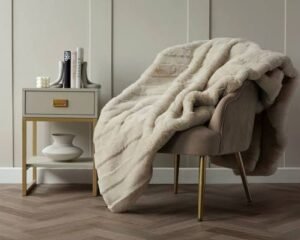
Color is another reason designers rely on throw blankets. Rather than replacing expensive bedding whenever trends change, homeowners can simply introduce a new throw in a complementary color to update the room’s appearance. Neutral bedding paired with seasonal throws offers exceptional flexibility throughout the year.
Finally, throw blankets provide genuine everyday comfort. Whether reading before bed, enjoying a morning coffee, or relaxing on a cold evening, a well-chosen throw combines beauty with practical warmth.
“The details are not the details. They make the design.”
— Charles Eames
Choose the Right Throw Blanket Before You Start
Beautiful layering begins with selecting the right blanket. Size, material, texture, and color all influence the final result.
Select a Fabric That Matches Your Lifestyle
- Different materials create different moods and serve different purposes.
- Cotton throws are lightweight, breathable, and suitable for everyday use. They complement modern, coastal, and Scandinavian bedrooms while remaining easy to maintain.
- Linen throws provide an effortless, relaxed appearance with natural texture. Their breathable properties make them especially suitable for warmer climates and minimalist interiors.
- Chunky knitted blankets have become a favorite among designers because they instantly add depth and coziness. Their oversized weave creates dramatic texture that photographs beautifully while making bedrooms feel inviting.
- Wool throws offer excellent insulation during colder seasons. They introduce warmth both visually and physically, making them ideal for traditional and rustic bedrooms.
- Cashmere throws represent luxury and softness. Although more expensive, they create an elegant appearance suitable for refined contemporary interiors.
- Faux fur throws add richness and glamour while introducing substantial visual texture. They’re commonly used in luxury bedroom styling during autumn and winter.
Choose the Right Size
- Oversized throw blankets often create the most luxurious appearance because they drape naturally without looking stretched or undersized.
- For queen and king-sized beds, throws measuring approximately 50 × 70 inches or larger usually provide the best proportions. Smaller beds can accommodate slightly narrower throws while maintaining balance.
- Avoid using blankets that are too short or excessively large, as incorrect proportions disrupt the overall design.
Match the Overall Bedroom Style
- Before purchasing a throw blanket, consider your bedroom’s existing design.
- Minimalist interiors benefit from solid-colored cotton or linen throws with subtle texture.
- Farmhouse bedrooms pair beautifully with woven cotton, plaid patterns, or chunky knits.
- Scandinavian spaces often feature neutral wool throws in shades of cream, gray, oatmeal, or beige.
- Luxury contemporary bedrooms frequently incorporate velvet, cashmere, or faux fur throws to introduce sophistication and softness.
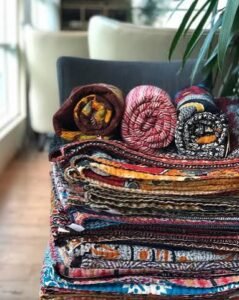
A collection of throw blankets featuring varied colors, patterns, and textures, demonstrating how layered textiles add warmth and visual interest to bedroom décor.
Build the Bed in Layers Like a Designer
Professional designers rarely style a bed by simply placing a throw blanket on top. Instead, they build a visual depth layer by layer, ensuring that every textile contributes to the overall composition.
The foundation begins with crisp, fitted sheets and quality pillowcases. Neutral colors such as white, ivory, light gray, or beige provide a timeless base that complements almost any decorating style.
Next comes the primary bedding, which may include a duvet, comforter, or quilt. Designers often fold the duvet slightly at the head of the bed to expose contrasting sheets and create additional dimension.
A quilt or coverlet can then be added between the duvet and the throw blanket. This intermediate layer introduces another texture while allowing seasonal flexibility.

Finally, the throw blanket completes the arrangement. Rather than appearing like an afterthought, it becomes the finishing detail that ties the entire bedding ensemble together.
Decorative cushions placed in front of sleeping pillows help balance the blanket visually. Mixing different pillow sizes while maintaining a cohesive color palette creates the polished appearance commonly seen in luxury hotels and designer homes.
8. Common Mistakes to Avoid When Layering Throw Blankets
Even high-quality bedding can look unbalanced if throw blankets are layered incorrectly. Professional designers focus on proportion, texture, and color harmony to achieve a polished appearance. Avoiding the following mistakes will help create a bedroom that feels stylish rather than cluttered.
Using Too Many Colors
One of the most common mistakes is combining several unrelated colors. While a throw blanket should add interest, it should also complement the existing bedding and bedroom décor.
Instead of introducing multiple bold colors, choose a throw that coordinates with your existing palette. Neutral shades such as ivory, beige, taupe, gray, sage green, or soft blue work well because they blend effortlessly with most bedroom styles.
A good rule is to limit the bedding palette to three or four complementary colors for a cohesive look.
Ignoring Texture
Layering isn’t just about color—texture plays an equally important role. A bed made entirely of smooth cotton can appear flat, while mixing different textures creates depth and visual warmth.
For example, pairing crisp cotton sheets with a linen duvet and a chunky knit throw introduces contrast without overwhelming the space.
Combining woven fabrics, knitted throws, quilted bedding, and soft cushions gives the bed a professionally styled appearance.
Choosing the Wrong Blanket Size
A throw blanket that is too small may look insignificant, while one that is excessively large can overwhelm the bed.
For queen and king-size beds, choose throws with enough length to drape naturally over the foot or corner without touching the floor excessively. Proper proportions make the arrangement look intentional and balanced.
Making Everything Perfectly Symmetrical
Although symmetry works well in some bedroom styles, perfectly centered throws can sometimes appear stiff and overly formal.
Interior designers often create a more relaxed, inviting atmosphere by folding or casually draping the throw slightly off-center. This effortless styling makes the bedroom feel comfortable rather than staged.
Overcrowding the Bed
Adding multiple blankets, oversized cushions, decorative pillows, and accessories can quickly make the bed appear cluttered.
A designer-inspired bed emphasizes quality over quantity. One beautiful throw blanket combined with coordinated pillows usually creates a more elegant result than excessive layering.
Forgetting Practicality
A beautifully styled bed should still be comfortable to use every day.
Choose throw blankets that are easy to remove before sleeping and simple to reposition afterward. Practical styling ensures the bedroom remains functional while maintaining its visual appeal.
9. Designer Tips for a Luxurious Look
Professional interior designers rely on a few simple techniques that instantly elevate bedroom styling. These finishing touches create a sophisticated appearance without requiring expensive renovations or premium furniture.
“Luxury is when it seems flawless, when you reach the right balance between all elements.”
— Jean-Louis Deniot
Layer Different Textures
Luxury bedrooms rarely rely on a single fabric.
Instead, designers combine smooth cotton, soft linen, knitted wool, velvet, boucle, faux fur, or cashmere to create depth and richness. The contrast between textures makes the bedding more visually appealing while increasing comfort.
Keep the Color Palette Cohesive
Rather than introducing many competing colors, designers build a layered look using different shades of the same color family.
For example:
- White + Cream + Beige
- Gray + Charcoal + Black
- Sage Green + Ivory + Natural Wood
- Navy + Light Gray + White
This approach creates sophistication while maintaining harmony throughout the bedroom.
Let the Throw Look Relaxed
A throw blanket should never appear stiff or overly arranged.
Allow gentle folds and natural draping to soften the bed. This relaxed styling makes the room feel lived-in while still looking elegant.
Add Seasonal Variety
Changing throw blankets throughout the year keeps the bedroom fresh without replacing all the bedding.
- Spring: Linen, cotton, pastel colors
- Summer: Lightweight woven throws in white, beige, or soft blue
- Autumn: Chunky knits in rust, olive, caramel, and terracotta
- Winter: Wool, cashmere, velvet, and faux fur in rich neutral tones
Rotating throws seasonally is one of the easiest and most affordable ways to refresh a bedroom.
Coordinate with Other Bedroom Accessories
For a professionally designed appearance, repeat the throw blanket’s color or texture elsewhere in the room.
Examples include:
- Decorative cushions
- Area rugs
- Curtains
- Upholstered benches
- Artwork
- Decorative vases
Repeating colors throughout the space creates visual continuity and makes the room feel intentionally designed.
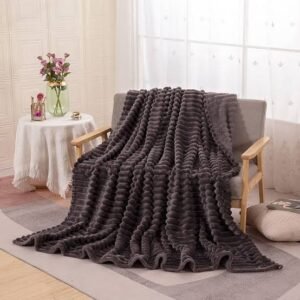
Focus on Quality Rather Than Quantity
A single premium throw blanket made from natural fibers often creates a stronger visual impact than several inexpensive throws layered together.
Investing in quality materials improves durability, comfort, and the overall appearance of the bedroom while providing lasting value.
10. Throw Blanket Buying Checklist
Before purchasing a throw blanket, consider more than just its color or appearance. The right throw should complement your bedroom décor, provide year-round comfort, and withstand regular use. A thoughtful purchase ensures your blanket remains both functional and stylish for years.
Use this checklist before making your decision:
- ✔ Choose a throw that matches your bedroom’s overall design style.
- ✔ Select a material suitable for your climate and comfort preferences.
- ✔ Ensure the blanket is appropriately sized for your bed.
- ✔ Coordinate the color with your bedding, curtains, rugs, or accent furniture.
- ✔ Mix textures to add visual depth without creating clutter.
- ✔ Look for quality stitching and durable construction.
- ✔ Check the care label to ensure it is easy to clean and maintain.
- ✔ Consider seasonal use if you plan to rotate throws throughout the year.
- ✔ Invest in high-quality natural fibers if long-term durability is a priority.
- ✔ Select a throw that balances style, comfort, and practicality.
Pro Tip: If you’re unsure which color to choose, start with a neutral throw in ivory, beige, gray, or soft taupe. Neutral tones complement almost every bedroom style and can easily be paired with seasonal accent pillows or decorative accessories.
11. Conclusion
Layering throw blankets is one of the simplest yet most effective ways to elevate the appearance of a bedroom. Beyond providing warmth, a carefully chosen throw introduces texture, color, and dimension, transforming an ordinary bed into a designer-inspired focal point. Whether you prefer a clean minimalist aesthetic, a cozy farmhouse retreat, or a luxurious contemporary bedroom, thoughtful blanket layering can enhance both comfort and visual appeal.
The secret lies in balancing materials, colors, and proportions. Starting with quality bedding, adding complementary layers, and finishing with a well-placed throw creates depth without making the bed feel overcrowded. Mixing textures such as linen, cotton, wool, velvet, or chunky knits adds richness, while a cohesive color palette ensures the overall design remains harmonious.
Another advantage of throw blankets is their versatility. They offer an affordable way to refresh your bedroom throughout the year without replacing your entire bedding set. Lightweight cotton and linen throws are perfect for warmer months, while wool, cashmere, and faux fur provide warmth and luxury during cooler seasons. Simply changing your throw blanket can give your bedroom a completely new look.
As interior design trends continue to emphasize comfort and personal expression, layered bedding remains a timeless styling technique. Rather than following every trend, focus on choosing quality materials, coordinating colors thoughtfully, and arranging each layer with purpose. These simple principles are what distinguish professionally styled bedrooms from ordinary ones.
“Simplicity is the ultimate sophistication.”
— Often attributed to Leonardo da Vinci
By applying the techniques in this guide, you can confidently layer throw blankets like a designer and create a bedroom that feels warm, elegant, inviting, and effortlessly stylish every day.
© 2026 bedroomstylereviews.com — All Rights Reserved
Affiliate Disclosure: We earn commission from qualifying Amazon purchases. All opinions are our own

Dan is the founder and head content creator at Bedroom Style Reviews.
He has been working as a professional online product reviewer since 2015 and was inspired to start this website when he ended up sleeping on a memory foam mattress that was too soft and gave him backache.
Through in-depth research and analysis, Dan’s goal with this website is to help others avoid such pitfalls by creating the best online resource for helping you find your ideal mattress, bedding, and bedroom furniture.
Dan is a qualified NVQ Level 2 Fitness Instructor with 6 years’ experience helping clients improve their health through diet, exercise, and proper sleep hygiene.
He also holds several college and university-level qualifications in health sciences, psychology, mathematics, art, and digital media creation – which helps him to publish well researched and informative product reviews as well as articles on sleep, health, wellbeing, and home decor.
Dan also has direct personal experience with insomnia, anxiety, misophonia (hypersensitivity to sounds), and pain from both acute and long-standing sporting injuries – he enjoys writing insightful articles around these subjects to help fellow sufferers of such conditions.
Learn more about Dan here.