
Contents
By Bedroom Style Reviews Editorial Team
2026 Trend Guide
“Nature changes with every season, and our sleep often changes with it.”
Sleep is not influenced solely by bedtime habits or the quality of your mattress. The changing seasons also play a significant role in determining how easily you fall asleep, how deeply you sleep, and how refreshed you feel when you wake. Variations in daylight hours, temperature, humidity, and even seasonal allergies can affect the body’s natural sleep-wake cycle throughout the year.
Many people notice these seasonal changes without fully understanding why they occur. During winter, longer nights and cooler temperatures often encourage longer sleep, while the extended daylight of summer can delay bedtime and reduce overall sleep duration. Spring may introduce allergies that interrupt restful sleep, and autumn often requires the body to readjust as daylight hours become shorter.
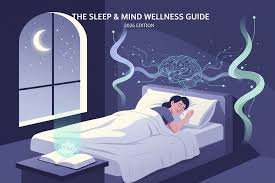
These changes are closely connected to the body’s internal biological clock, known as the circadian rhythm. This natural timing system responds primarily to light exposure, helping regulate hormones such as melatonin that prepare the body for sleep. When seasonal daylight patterns change, the circadian rhythm adjusts accordingly, sometimes making it more difficult to maintain consistent sleep habits.
In 2026, sleep scientists continue to emphasize that understanding seasonal influences can help individuals develop healthier year-round sleep routines. Rather than allowing changing weather and daylight to disrupt rest, simple adjustments to bedroom conditions, daily schedules, and lifestyle habits can help maintain consistent, restorative sleep in every season.
This comprehensive guide explains how each season affects sleep, explores the science behind seasonal sleep changes, and provides practical, evidence-based strategies to help you sleep better throughout the year.
Why Seasonal Changes Affect Sleep
The human body naturally responds to environmental changes. As daylight hours increase or decrease and temperatures fluctuate, the brain adjusts hormone production and sleep timing to match the surrounding environment.
Although modern homes provide heating, air conditioning, and artificial lighting, our biological clock remains closely connected to nature.
“The body follows nature’s clock more closely than many people realize.”
Understanding these seasonal influences makes it easier to recognize why sleep quality sometimes changes throughout the year.
Changes in Daylight Exposure
Natural sunlight is one of the strongest regulators of the body’s internal clock.
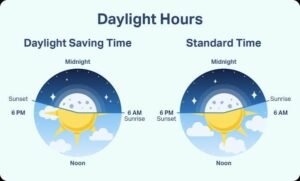
During summer, longer days expose the body to more daylight, which may delay the release of melatonin—the hormone responsible for promoting sleep. As a result, many people naturally feel sleepy later in the evening.
Conversely, winter’s shorter days encourage earlier melatonin production, often making people feel tired sooner after sunset.
Maintaining consistent exposure to natural morning light helps regulate these seasonal shifts.
Circadian Rhythm Adjustments
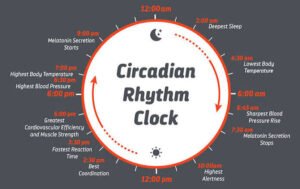
The circadian rhythm controls much more than sleep.
It also regulates:
- Alertness
- Body temperature
- Hormone production
- Digestion
- Metabolism
- Energy levels
Seasonal variations in daylight influence this internal clock, causing gradual adjustments in sleep timing that may take several days or even weeks to stabilize.
People with irregular work schedules or inconsistent bedtime routines may experience greater disruption during seasonal transitions.
Temperature Regulation
Body temperature naturally decreases before sleep, signaling that it is time to rest.
Environmental temperatures therefore play an important role in sleep quality.
Generally:
- Cooler bedrooms promote deeper sleep.
- Excessive heat may increase nighttime awakenings.
- Extreme cold can also interfere with comfort if bedding is inadequate.
Each season presents different challenges that require adjustments to bedding, room temperature, and clothing.

Lifestyle Changes
Seasonal routines often influence sleep as much as weather itself.
Examples include:
- School schedules
- Vacation travel
- Outdoor activities
- Holiday celebrations
- Changes in exercise habits
- Increased indoor time during winter
These lifestyle changes may alter bedtime consistency and overall sleep duration.
Developing stable daily routines helps minimize seasonal disruptions.
Seasonal Health Factors
Certain health conditions become more noticeable during specific times of the year.
For example:
- Spring allergies may cause nasal congestion that interrupts sleep.
- Winter colds and influenza may reduce sleep quality.
- Summer dehydration can contribute to nighttime discomfort.
- Reduced winter sunlight may affect mood and energy levels.
Recognizing these seasonal health influences allows people to make proactive adjustments before sleep problems become persistent.
Understanding the Body’s Internal Clock
To understand why sleep changes throughout the year, it is helpful to understand the body’s internal biological timing system.
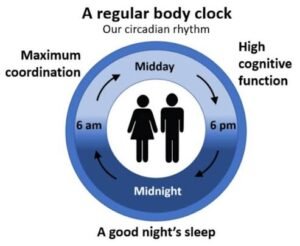
Known as the circadian rhythm, this internal clock coordinates numerous physical processes over approximately 24 hours, helping the body know when to be awake and when to sleep.
Modern sleep research continues to identify the circadian rhythm as one of the most important influences on overall sleep quality.
“Healthy sleep begins with a healthy circadian rhythm.”
What Is the Circadian Rhythm?
The circadian rhythm is an internal timing system located within the brain that responds primarily to light and darkness.
It helps regulate:
- Sleep and wake cycles
- Hormone release
- Body temperature
- Blood pressure
- Alertness
- Digestion
- Metabolism
When functioning normally, the circadian rhythm promotes wakefulness during daylight hours and encourages sleep after darkness falls.
The Role of Melatonin
Melatonin is often called the sleep hormone because it helps prepare the body for rest.
As evening approaches and natural light decreases, the brain gradually increases melatonin production.
Melatonin helps:
- Promote feelings of sleepiness
- Lower body temperature slightly
- Support healthy sleep timing
- Reinforce the body’s natural day-night cycle
Exposure to bright artificial light during the evening can delay melatonin production, making it more difficult to fall asleep.
Light Exposure and Sleep
Natural daylight is essential for maintaining a healthy sleep schedule.
Morning sunlight helps:
- Reset the circadian rhythm
- Increase daytime alertness
- Improve nighttime sleep quality
- Support consistent sleep schedules
Conversely, excessive exposure to bright screens or artificial lighting late in the evening can confuse the body’s internal clock and delay sleep.
Why Consistency Matters
Although seasonal changes naturally influence sleep timing, maintaining consistent daily habits helps the body adapt more effectively.
Experts recommend:
- Going to bed at approximately the same time each night.
- Waking at a consistent time every morning.
- Getting natural daylight soon after waking.
- Limiting bright screens before bedtime.
- Following a relaxing evening routine.
Consistency strengthens the circadian rhythm, making it easier to achieve restorative sleep regardless of seasonal changes.
How Winter Affects Sleep
Winter often brings noticeable changes in sleep patterns. Shorter daylight hours, colder temperatures, and increased time spent indoors can all influence the body’s natural sleep-wake cycle.
For many people, winter creates ideal conditions for longer and deeper sleep. However, reduced sunlight and seasonal changes in mood can also contribute to fatigue and disrupted sleep for others.
Understanding how winter affects sleep allows you to make simple adjustments that support healthy rest throughout the colder months.
Longer Nights Encourage More Sleep
One of the most obvious characteristics of winter is the extended period of darkness.
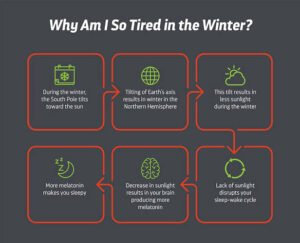
Earlier sunsets often trigger earlier melatonin production, causing many people to feel sleepy sooner in the evening. At the same time, later sunrises may make waking up feel more difficult.
Although this seasonal pattern is natural, maintaining a consistent wake-up time helps prevent oversleeping and keeps the circadian rhythm stable.
Cooler Temperatures Promote Restful Sleep
Winter temperatures often create a more comfortable sleeping environment.
A cool bedroom helps the body lower its core temperature, an important step in preparing for sleep. Many sleep experts recommend keeping the bedroom comfortably cool while using breathable bedding and layered blankets for warmth.
Finding the right balance between room temperature and bedding can improve both sleep quality and comfort.
While many people enjoy sleeping in cooler weather, winter can also present unique challenges that affect both sleep quality and daytime energy levels. Reduced exposure to sunlight, shorter days, and changes in daily routines can all influence the body’s biological clock.
Reduced Sunlight and Seasonal Fatigue
One of the biggest changes during winter is the decrease in natural daylight. Since sunlight helps regulate the circadian rhythm, spending less time outdoors can make people feel sleepier during the day while also affecting nighttime sleep patterns.
Common effects of reduced daylight include:
- Feeling tired during the afternoon
- Lower energy levels
- Difficulty waking in the morning
- Reduced motivation
- Changes in appetite
Getting outside during daylight hours—even for a short walk—can help reinforce the body’s natural sleep-wake cycle.
Seasonal Affective Disorder (SAD)
Some individuals experience a type of depression known as Seasonal Affective Disorder (SAD), which typically occurs during autumn and winter when daylight hours become shorter.
Common symptoms include:
- Persistent low mood
- Increased sleepiness
- Difficulty concentrating
- Reduced interest in daily activities
- Changes in appetite
- Low energy
Anyone experiencing ongoing symptoms should consult a qualified healthcare professional for assessment and treatment.
Winter Sleep Tips
Maintaining healthy sleep during winter is often easier with a few simple adjustments.
Helpful strategies include:
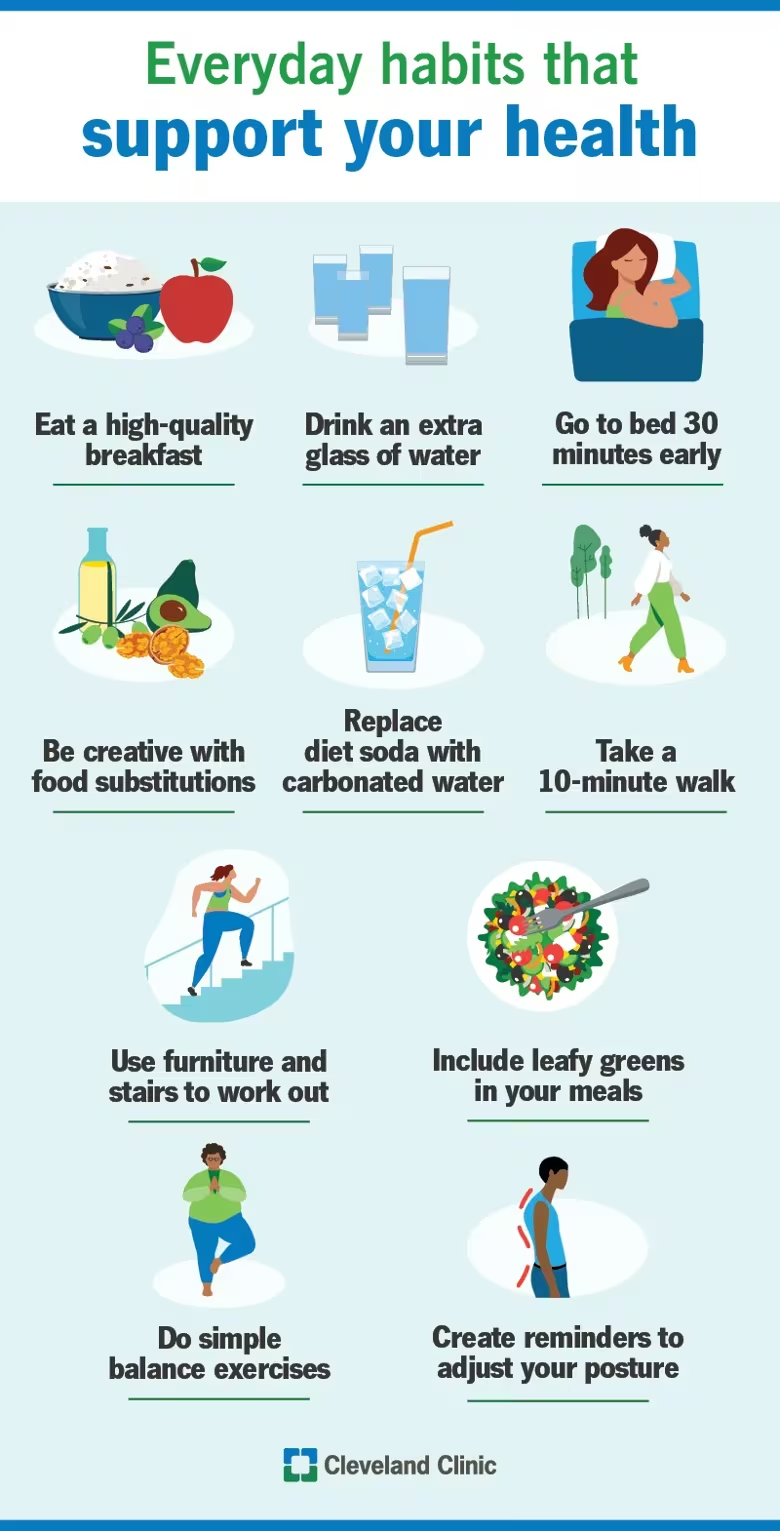
- Get natural sunlight every morning.
- Maintain regular sleep and wake times.
- Stay physically active during the day.
- Avoid excessive daytime naps.
- Keep the bedroom cool but comfortably warm with layered bedding.
- Use warm lighting during the evening to create a relaxing atmosphere.
“Consistency is one of the strongest predictors of healthy sleep in every season.”
Spring Sleep Challenges
Spring is often associated with renewal and longer days, but it can also temporarily disrupt sleep as the body adjusts to changing environmental conditions.
Longer daylight hours, seasonal allergies, and schedule changes can all affect sleep quality.
Seasonal Allergies
For many people, spring pollen becomes one of the biggest barriers to restful sleep.
Common allergy symptoms include:
- Nasal congestion
- Sneezing
- Itchy eyes
- Runny nose
- Nighttime coughing
These symptoms may interrupt sleep and reduce overall sleep quality.
Keeping bedroom windows closed during periods of high pollen, washing bedding regularly, and showering before bedtime may help reduce pollen exposure indoors.
Increasing Daylight
As days become longer, evening sunlight lasts later into the day.
Extended daylight may delay melatonin production, causing some people to feel less sleepy at their usual bedtime.
Blackout curtains can help create a darker sleeping environment while supporting natural sleep signals.
Daylight Saving Time Adjustments
In regions that observe Daylight Saving Time, the spring clock change may temporarily disrupt sleep schedules.
Even a one-hour shift can affect:
- Bedtime
- Wake-up time
- Alertness
- Mood
- Concentration
Gradually adjusting bedtime by 15 to 20 minutes over several days before the time change can make the transition easier.
Spring Sleep Tips
To maintain healthy sleep during spring:
- Keep a consistent bedtime.
- Reduce pollen exposure inside the bedroom.
- Use blackout curtains if evenings remain bright.
- Spend time outdoors during the morning.
- Continue exercising regularly.

An illustration depicting spring fatigue, a temporary feeling of tiredness that some people experience as their bodies adjust to longer daylight hours and changing seasonal conditions.
Summer Sleep Problems
Summer often creates the greatest challenges for maintaining high-quality sleep. Warm temperatures, increased humidity, extended daylight hours, vacations, and social activities can all interfere with healthy sleep routines.
Fortunately, simple environmental adjustments can significantly improve summer sleep comfort.
“A cool bedroom is one of the simplest ways to improve summer sleep.”
Heat and Humidity
Excessive heat makes it more difficult for the body to lower its core temperature before sleep.
As a result, many people experience:
- Difficulty falling asleep
- Frequent nighttime awakenings
- Sweating
- Restless sleep
- Reduced deep sleep
Keeping the bedroom cool using fans or air conditioning can improve sleep quality considerably.
Longer Daylight Hours
Sunsets occur much later during summer.
Extra evening daylight can delay natural melatonin release, causing people to stay awake later than usual.
Maintaining consistent bedtime routines helps prevent gradual sleep schedule drift.
Vacation and Travel
Summer vacations often introduce irregular schedules.
Late evenings, travel across time zones, and disrupted routines may temporarily affect the circadian rhythm.
Returning to a consistent bedtime as soon as possible after travel helps restore normal sleep patterns.
Staying Cool at Night
Creating a cooler sleep environment becomes especially important during warmer months.
Helpful strategies include:
- Use breathable cotton or linen sheets.
- Choose lightweight blankets.
- Improve air circulation with fans.
- Close curtains during the hottest part of the day.
- Wear lightweight sleepwear.
Hydration
Proper hydration supports overall health and helps regulate body temperature.
Drink adequate fluids throughout the day, but avoid consuming large amounts immediately before bedtime to minimize nighttime bathroom visits.

Autumn Sleep Adjustments
Autumn provides a gradual transition between the warmth of summer and the colder months of winter. As temperatures cool and daylight hours shorten, the body begins adapting once again to seasonal changes.
For many people, autumn offers an opportunity to re-establish healthy sleep routines after the irregular schedules often associated with summer.
Shorter Days
Earlier sunsets naturally encourage earlier melatonin production.
Many people begin feeling sleepy slightly earlier during autumn evenings, making this an excellent time to establish a consistent bedtime routine.
Cooler Weather
Moderate autumn temperatures often create comfortable sleeping conditions.
Replacing lightweight summer bedding with slightly warmer blankets allows the body to remain comfortable without overheating.

Returning to Routine
For families, autumn often marks the return to structured work and school schedules.
Consistent daily routines—including regular meal times, exercise, and bedtime—help stabilize the circadian rhythm after summer disruptions.
Preparing for Winter
Autumn is also a good time to prepare the bedroom for colder weather by:
- Checking heating systems.
- Rotating seasonal bedding.
- Cleaning humidifiers if needed.
- Washing heavier blankets.
- Replacing worn pillows or sheets.
Small seasonal updates help maintain a comfortable sleeping environment throughout the colder months.
Lifestyle Habits That Support Healthy Sleep Year-Round
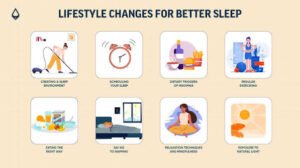
Although seasonal conditions change, healthy sleep habits remain effective throughout the year. Consistent daily routines help the body adapt more easily to environmental changes while supporting long-term sleep quality.
Maintain a Consistent Sleep Schedule
Going to bed and waking at approximately the same time every day strengthens the circadian rhythm and improves sleep consistency.
Stay Physically Active
Regular exercise promotes deeper sleep while reducing stress and improving overall health.
Aim for consistent movement throughout the week, whether through walking, cycling, swimming, or strength training.
Eat a Balanced Diet
Nutritious meals support stable energy levels and healthy sleep.
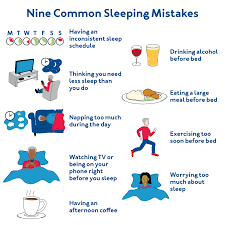
Avoid heavy meals, excessive caffeine, and large amounts of alcohol close to bedtime.
Create a Comfortable Bedroom
An ideal sleep environment includes:
- Comfortable mattress
- Breathable bedding
- Minimal noise
- Appropriate room temperature
- Limited light exposure
Manage Daily Stress
Simple relaxation practices such as reading, meditation, gentle stretching, or journaling can help prepare the mind for restful sleep.



Dan is the founder and head content creator at Bedroom Style Reviews.
He has been working as a professional online product reviewer since 2015 and was inspired to start this website when he ended up sleeping on a memory foam mattress that was too soft and gave him backache.
Through in-depth research and analysis, Dan’s goal with this website is to help others avoid such pitfalls by creating the best online resource for helping you find your ideal mattress, bedding, and bedroom furniture.
Dan is a qualified NVQ Level 2 Fitness Instructor with 6 years’ experience helping clients improve their health through diet, exercise, and proper sleep hygiene.
He also holds several college and university-level qualifications in health sciences, psychology, mathematics, art, and digital media creation – which helps him to publish well researched and informative product reviews as well as articles on sleep, health, wellbeing, and home decor.
Dan also has direct personal experience with insomnia, anxiety, misophonia (hypersensitivity to sounds), and pain from both acute and long-standing sporting injuries – he enjoys writing insightful articles around these subjects to help fellow sufferers of such conditions.
Learn more about Dan here.