
Contents
By Bedroom Style Reviews Editorial Team
2026 Trend Guide
“Quality sleep starts with bedding that fits your mattress perfectly.”
Choosing bed sheets may seem like a simple task, but selecting the correct size is one of the most important factors in creating a comfortable and well-made bed. Sheets that fit properly stay securely in place throughout the night, protect the mattress, and give the bedroom a neat, polished appearance. On the other hand, sheets that are too small can constantly slip off the mattress, while oversized sheets may wrinkle, bunch up, and reduce comfort while sleeping.
With today’s wide variety of mattress sizes, pillow-top designs, memory foam mattresses, and deep-pocket options, buying bed sheets has become more complex than simply choosing Twin, Queen, or King. Mattress thickness varies significantly between manufacturers, and many people now use mattress toppers that increase overall depth. Understanding these differences is essential for selecting sheets that fit correctly and provide lasting comfort.
In 2026, bedding manufacturers continue to introduce innovative fabrics, deeper fitted sheets, oversized luxury bedding, and eco-friendly materials designed to improve sleep quality. Consumers are also placing greater emphasis on durability, sustainability, and ease of care when purchasing new bed linens.
Whether you’re furnishing a child’s bedroom, upgrading your master suite, shopping for a guest room, or replacing worn-out bedding, understanding standard bed sheet sizes helps you make a confident buying decision. This comprehensive guide explains mattress dimensions, fitted sheet measurements, flat sheet sizes, pocket depth, and practical shopping tips to ensure your next set of bed sheets fits perfectly.
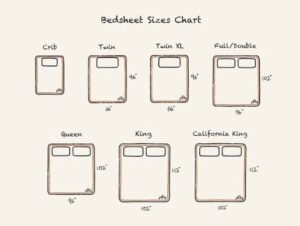
Why Choosing the Correct Bed Sheet Size Matters
Selecting the right bed sheet size involves much more than appearance. Properly fitted sheets contribute to better sleep quality, protect your mattress, and improve the longevity of your bedding investment.
A well-fitted sheet stays securely in place throughout the night, reducing wrinkles and preventing corners from slipping off the mattress. This creates a smoother sleeping surface and eliminates the need to readjust bedding each morning.
“The smallest details often make the biggest difference in everyday comfort.”
Improves Sleeping Comfort
Few things are more frustrating than waking up on a bare mattress because the fitted sheet has slipped off during the night.
Correctly sized sheets remain securely attached, allowing you to sleep comfortably without interruptions caused by loose or tangled bedding.
This is especially important for restless sleepers, children, and couples who move frequently during sleep.
Protects Your Mattress
Fitted sheets act as the first layer of protection against everyday wear.
They help shield the mattress from:
- Sweat
- Dust
- Skin oils
- Everyday dirt
- Minor spills
Combined with a quality mattress protector, properly fitted sheets help extend the lifespan of your mattress while maintaining a cleaner sleeping environment.
Creates a Neat Bedroom Appearance
Well-fitted bedding instantly makes a bedroom look cleaner and more organized.
Smooth sheets, properly tucked corners, and wrinkle-free bedding create the polished appearance often associated with luxury hotels.
Even simple cotton sheets can look elegant when they fit the mattress correctly.
Extends the Life of Your Bedding
Sheets that are constantly stretched beyond their intended size experience greater stress on seams and elastic corners.
Over time, this may lead to:
- Torn stitching
- Loose elastic
- Fabric thinning
- Premature wear
Using the correct sheet size reduces unnecessary strain and helps bedding maintain its appearance for longer.
Makes Bed Making Easier
Anyone who has struggled to stretch a fitted sheet over an oversized mattress understands the importance of correct sizing.
Properly sized sheets install quickly, remain secure, and require less effort when making the bed each morning.
Understanding Bed Sheet Measurements
Before purchasing new bedding, it is important to understand the different measurements used by manufacturers. Many shoppers focus only on mattress size, but fitted sheet dimensions, flat sheet sizes, pillowcase measurements, and pocket depth all play an important role in achieving the perfect fit.
Knowing these terms helps prevent buying mistakes and ensures your bedding performs as expected.
Mattress Dimensions
The mattress size determines the general sheet size you should purchase.
Standard mattress sizes include:
- Twin
- Twin XL
- Full (Double)
- Queen
- Olympic Queen
- King
- California King
While mattress length and width remain fairly standardized, mattress height can vary significantly depending on construction and added comfort layers.
Always measure your mattress before buying new sheets, particularly if you use a pillow-top mattress or mattress topper.
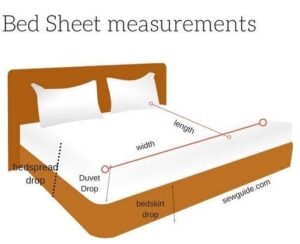
Fitted Sheet Size
The fitted sheet is designed with elastic corners that wrap securely around the mattress.
Unlike flat sheets, fitted sheets must closely match the mattress dimensions to remain securely in place throughout the night.
When shopping, pay attention to:
- Mattress width
- Mattress length
- Pocket depth
All three measurements influence how well the sheet fits.
Flat Sheet Size
A flat sheet lies between the sleeper and the blanket or comforter.
Unlike fitted sheets, flat sheets are intentionally larger than the mattress so they can be tucked securely beneath the sides and foot of the bed.
Oversized flat sheets generally provide a more luxurious appearance while making it easier to achieve neat hotel-style corners.
Pillowcase Sizes
Pillowcases also vary depending on pillow dimensions.
Common pillowcase sizes include:
- Standard
- Queen
- King
- European (Euro)
Purchasing pillowcases that match the pillow size improves both comfort and appearance while preventing excess fabric from bunching around the pillow.
Pocket Depth Explained
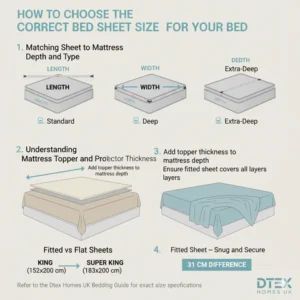
Pocket depth refers to the maximum mattress thickness that a fitted sheet can accommodate.
This measurement has become increasingly important because modern mattresses are often much thicker than traditional designs.
General guidelines include:
- Standard pocket: 7–14 inches (18–36 cm)
- Deep pocket: 15–18 inches (38–46 cm)
- Extra-deep pocket: 18–22 inches (46–56 cm)
If your mattress includes a pillow-top or mattress topper, measure the total height from the base to the highest point before purchasing fitted sheets.
Choosing the correct pocket depth helps prevent corners from slipping off and reduces unnecessary strain on the elastic edges.
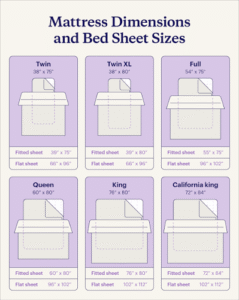
Complete Bed Sheet Size Chart (2026)
The following chart provides the standard mattress dimensions and the typical fitted sheet sizes used for each bed size. While exact measurements may vary slightly between manufacturers, these dimensions serve as a reliable buying guide.
| Bed Size | Mattress Dimensions | Typical Fitted Sheet Size |
|---|---|---|
| Twin | 38 × 75 inches (96 × 191 cm) | 39 × 75 inches |
| Twin XL | 38 × 80 inches (96 × 203 cm) | 39 × 80 inches |
| Full (Double) | 54 × 75 inches (137 × 191 cm) | 54 × 75 inches |
| Queen | 60 × 80 inches (152 × 203 cm) | 60 × 80 inches |
| Olympic Queen | 66 × 80 inches (168 × 203 cm) | 66 × 80 inches |
| King | 76 × 80 inches (193 × 203 cm) | 78 × 80 inches |
| California King | 72 × 84 inches (183 × 213 cm) | 72 × 84 inches |
Although these measurements represent industry standards, always verify the manufacturer’s sizing guide before making a purchase, particularly for luxury bedding brands.
Twin Bed Sheet Size
Twin beds remain one of the most common mattress sizes for children, teenagers, guest rooms, and compact living spaces. Their narrow width makes them ideal for maximizing floor space while still providing comfortable sleeping accommodation for one person.
Mattress Dimensions
A standard Twin mattress measures:
38 × 75 inches (96 × 191 cm)
It comfortably accommodates one sleeper and fits well in smaller bedrooms where efficient use of space is important.
Recommended Sheet Size
Twin sheet sets generally include:
- One fitted sheet designed for a 38 × 75-inch mattress
- One flat sheet
- One standard pillowcase
Because Twin mattresses are relatively lightweight, properly fitted sheets help keep bedding neat and secure throughout the night.
Best Uses for Twin Beds
Twin beds are commonly found in:
- Children’s bedrooms
- Teen bedrooms
- Guest rooms
- Small apartments
- Bunk beds
- Daybeds
- Vacation homes
Their compact size also makes them a practical choice for multipurpose rooms where maximizing floor space is a priority.
Twin XL Bed Sheet Size
At first glance, a Twin XL mattress looks almost identical to a standard Twin. The primary difference is its extra length, making it a popular choice for taller individuals who need additional legroom without increasing the bed’s width.
Although only five inches longer than a standard Twin, purchasing the correct Twin XL sheets is essential. Standard Twin fitted sheets are often too short and may slip off the mattress corners during the night.
Mattress Dimensions
A standard Twin XL mattress measures:
38 × 80 inches (96 × 203 cm)
The width remains the same as a Twin mattress, while the additional length provides greater comfort for taller sleepers.
Recommended Sheet Size
Twin XL sheet sets usually include:
- One Twin XL fitted sheet
- One Twin XL flat sheet
- One standard pillowcase
Always check the packaging carefully, as some retailers sell Twin and Twin XL sheet sets separately.
Best Uses for Twin XL Beds
Twin XL beds are commonly found in:
- College dormitories
- University housing
- Guest rooms
- Adjustable beds
- Studio apartments
- Bedrooms for taller teenagers and adults
Their compact width makes them ideal for smaller rooms while still accommodating taller sleepers comfortably.
Full (Double) Bed Sheet Size
A Full mattress, often called a Double bed, offers more sleeping space than a Twin while remaining compact enough for smaller bedrooms. It is an excellent option for single adults who enjoy extra room or for guest bedrooms where maximizing space is important.
Although two people can share a Full mattress occasionally, it may feel cramped for everyday use because each sleeper has limited personal space.
“Choosing the right mattress size is about balancing comfort with available space.”
Mattress Dimensions
A standard Full mattress measures:
54 × 75 inches (137 × 191 cm)
Compared with a Twin mattress, it provides an additional 16 inches of sleeping width.
Recommended Sheet Size
A Full sheet set generally includes:
- One fitted sheet for a 54 × 75-inch mattress
- One flat sheet
- Two standard pillowcases
Some budget sheet sets include only one pillowcase, so check the product description before purchasing.
Best Uses for Full Beds
Full beds are ideal for:
- Teenagers
- Single adults
- Guest bedrooms
- Apartments
- Small primary bedrooms
- Vacation homes
They offer an excellent compromise between sleeping space and room layout flexibility.
Queen Bed Sheet Size
The Queen mattress remains the most popular bed size in many households because it comfortably accommodates both couples and individuals while fitting into most standard bedrooms.
Its balanced dimensions provide generous sleeping space without requiring the larger footprint of a King bed.
Mattress Dimensions
A standard Queen mattress measures:
60 × 80 inches (152 × 203 cm)
This size offers additional width and length compared to a Full mattress, making it suitable for two adults.
Recommended Sheet Size
Most Queen sheet sets include:
- One Queen fitted sheet
- One Queen flat sheet
- Two standard or Queen pillowcases
Some premium bedding collections also include decorative pillow shams.
Why Queen Beds Are So Popular
Queen beds work well in:
- Primary bedrooms
- Couples’ bedrooms
- Guest suites
- Larger apartments
- Modern homes
They strike an excellent balance between comfort, affordability, and efficient use of bedroom space.
King Bed Sheet Size
A King mattress offers one of the most spacious sleeping surfaces available in standard residential bedding. It provides significantly more personal space for couples and is especially popular among families who occasionally share the bed with young children or pets.
Because King mattresses are considerably wider than Queen beds, purchasing correctly sized sheets is essential for maintaining a secure fit.
Mattress Dimensions
A standard King mattress measures:
76 × 80 inches (193 × 203 cm)
This generous width provides each sleeper with approximately the same personal sleeping space as an individual Twin mattress.
Recommended Sheet Size
A King sheet set usually includes:
- One King fitted sheet
- One oversized flat sheet
- Two King pillowcases
Because of their larger dimensions, King sheets require more fabric and are often priced slightly higher than Queen sheet sets.
Best Uses for King Beds
King beds are ideal for:
- Couples seeking maximum comfort
- Large primary bedrooms
- Luxury homes
- Families with young children
- Pet owners
They provide outstanding comfort while creating an elegant focal point within the bedroom.
California King Bed Sheet Size
Although many people assume California King mattresses are simply larger than standard King beds, the two sizes differ in shape rather than total sleeping area.
California King mattresses are slightly narrower but noticeably longer, making them an excellent choice for taller individuals.
Mattress Dimensions
A California King mattress measures:
72 × 84 inches (183 × 213 cm)
Compared to a standard King, it is:
- 4 inches narrower
- 4 inches longer
Recommended Sheet Size
California King sheet sets typically include:
- One California King fitted sheet
- One oversized flat sheet
- Two King pillowcases
Never substitute standard King fitted sheets, as they generally fit poorly due to the different mattress proportions.
Best Uses for California King Beds
California King mattresses are particularly suitable for:
- Tall adults
- Luxury bedrooms
- Spacious master suites
- Homes with larger bedroom layouts
Their additional length provides improved comfort without significantly increasing bedroom width requirements.
“Measure your mattress before buying sheets—especially if you own a King or California King bed.”
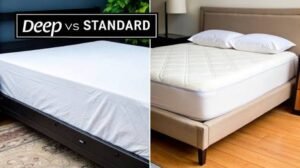
Deep Pocket vs. Standard Pocket Sheets
One of the most common reasons fitted sheets fail to stay in place is choosing the wrong pocket depth. While mattress width and length determine the basic sheet size, mattress height determines whether you need standard, deep-pocket, or extra-deep-pocket fitted sheets.
Standard Pocket Sheets
Standard pocket sheets generally fit mattresses measuring 7 to 14 inches (18–36 cm) in height.
They work well for:
- Traditional innerspring mattresses
- Standard foam mattresses
- Older mattress designs
If your mattress falls within this range, standard fitted sheets should provide a secure and wrinkle-free fit.
Deep Pocket Sheets
Deep-pocket sheets are designed for mattresses measuring approximately 15 to 18 inches (38–46 cm) thick.
These sheets are ideal for:
- Pillow-top mattresses
- Luxury hybrid mattresses
- Thick memory foam mattresses
- Beds with mattress protectors
The extra fabric allows the elastic edges to wrap securely around taller mattresses without slipping.
Extra-Deep Pocket Sheets
Extra-deep-pocket sheets accommodate mattresses measuring approximately 18 to 22 inches (46–56 cm) in height.
They are recommended for:
- Extra-thick pillow-top mattresses
- Mattresses with plush toppers
- Adjustable beds with multiple comfort layers
How to Measure Mattress Depth
Before buying fitted sheets:
- Place a tape measure on the floor beside the mattress.
- Measure from the bottom edge to the highest point of the mattress.
- Include mattress toppers and protectors in the total measurement.
- Compare this measurement with the sheet manufacturer’s recommended pocket depth.
Taking a few minutes to measure accurately can prevent the inconvenience of purchasing sheets that are either too tight or too loose.
Common Bed Sheet Buying Mistakes
Buying high-quality bed sheets is an investment in better sleep, but even premium bedding can disappoint if the wrong size or specifications are chosen. Many shoppers focus only on fabric or thread count while overlooking other important factors such as mattress depth, pocket size, and care requirements.
Avoiding these common mistakes will help ensure your new sheets fit properly, remain comfortable, and last for years.
“Measure first, buy once.”
Ignoring Mattress Depth
One of the biggest mistakes is assuming all mattresses have the same thickness.
Modern mattresses vary considerably, especially pillow-top, hybrid, and memory foam models. Purchasing standard fitted sheets for an extra-thick mattress often results in corners slipping off during the night.
Always measure the full height of your mattress—including any mattress topper—before purchasing fitted sheets.
Buying by Mattress Name Alone
Many shoppers simply purchase “Queen” or “King” sheets without checking the actual measurements.
Although mattress sizes are standardized, manufacturers may have slight differences in fitted sheet dimensions or recommended pocket depth.
Reading the product specifications carefully helps ensure a better fit.
Choosing the Wrong Pillowcase Size
Pillowcases should match the size of your pillows rather than the mattress.
Using oversized pillowcases on standard pillows creates excess fabric that bunches up, while small pillowcases may stretch tightly and reduce comfort.
Ignoring Fabric Shrinkage
Natural fibers such as cotton and linen may shrink slightly after the first few washes.
Choosing high-quality sheets that are pre-shrunk or following the manufacturer’s washing instructions helps minimize shrinkage and prolongs the life of the bedding.
Prioritizing Thread Count Alone
A higher thread count does not automatically mean better quality.
Fiber quality, weave type, finishing process, and fabric construction often have a greater impact on softness, breathability, and durability than thread count alone.
For most quality cotton sheets, a thread count between 300 and 500 offers an excellent balance of comfort and longevity.
Tips for Choosing the Perfect Bed Sheets
With countless bedding options available, selecting the right sheets can feel overwhelming. Focusing on a few essential factors will help you choose bedding that provides lasting comfort and excellent value.
Measure Your Mattress Carefully
Before shopping, measure:
- Mattress width
- Mattress length
- Mattress height (including toppers)
Accurate measurements help ensure the fitted sheet stays securely in place.
Choose the Right Fabric
Different fabrics provide different sleeping experiences.
Popular choices include:
- Cotton: Soft, breathable, durable, and suitable for year-round use.
- Linen: Naturally cooling, moisture-wicking, and ideal for warmer climates.
- Bamboo Lyocell: Smooth, breathable, and excellent for hot sleepers.
- Microfiber: Affordable, wrinkle-resistant, and easy to maintain.
- Percale Cotton: Crisp, lightweight, and cool to the touch.
- Sateen Cotton: Smooth, silky, and slightly warmer than percale.
Choose a fabric that matches your climate, comfort preferences, and maintenance expectations.
Consider the Weave
The weave influences both feel and durability.
- Percale offers a crisp, hotel-style finish with excellent breathability.
- Sateen provides a silky texture and elegant appearance.
- Jersey feels soft and stretchy, similar to a favorite T-shirt.
- Linen weave creates a relaxed, textured look that becomes softer over time.
Verify Pocket Depth
Always compare your mattress height with the fitted sheet’s recommended pocket depth.
A properly fitted sheet should wrap securely beneath the mattress without excessive stretching or loose fabric.
Read the Care Instructions
Easy-care bedding saves time and helps preserve fabric quality.
Before purchasing, check whether the sheets are:
- Machine washable
- Tumble-dry safe
- Wrinkle-resistant
- Suitable for low-temperature washing
Following the manufacturer’s recommendations extends the lifespan of your bedding.
Buy Quality Over Quantity
Investing in one or two premium sheet sets often provides better long-term value than purchasing several inexpensive sets.
High-quality sheets generally:
- Feel softer
- Last longer
- Resist pilling
- Maintain color better
- Become more comfortable with repeated washing
“Comfort comes from quality, not quantity.”
Bed Sheet Care Tips for Longer Lifespan
Even the best bed sheets require proper care to maintain their softness, appearance, and durability. Establishing good washing and storage habits can significantly extend the life of your bedding.
Wash Before First Use
New sheets often contain finishing treatments from the manufacturing process. Washing them before first use helps remove these residues and allows the fabric to soften naturally.
Follow the Care Label
Always follow the manufacturer’s washing instructions.
Most cotton and bamboo sheets benefit from:
- Cold or warm water washing
- Mild detergent
- Gentle wash cycles
- Low-heat tumble drying
Avoid excessive heat, as it can weaken fibers and increase shrinkage.
Rotate Multiple Sheet Sets
Using two or three sheet sets in rotation reduces wear on each set and allows fabrics to rest between washes.
This simple habit helps preserve elasticity, color, and overall fabric quality.
Store Sheets Properly
Store clean sheets in a cool, dry place away from direct sunlight.
Folding each sheet set inside one of its matching pillowcases keeps bedding organized and easy to find.
Replace Worn Sheets When Necessary
Even well-maintained sheets eventually show signs of wear.
Consider replacing sheets if you notice:
- Thinning fabric
- Persistent stains
- Torn seams
- Loose elastic
- Excessive pilling
Fresh, supportive bedding contributes to both comfort and hygiene.
Conclusion
Choosing the correct bed sheet size is one of the simplest yet most effective ways to improve sleep comfort and maintain a tidy, inviting bedroom. While mattress labels such as Twin, Queen, or King provide a starting point, factors like mattress depth, fitted sheet dimensions, fabric type, and pocket size are equally important for achieving the perfect fit.
Understanding the differences between standard mattress sizes—including Twin, Twin XL, Full, Queen, King, and California King—helps eliminate guesswork when shopping for new bedding. Taking a few moments to measure your mattress, compare manufacturer sizing charts, and select the appropriate pocket depth can prevent common problems such as slipping corners, wrinkled sheets, and unnecessary wear.
Beyond size, choosing high-quality materials that suit your climate and personal preferences can greatly enhance sleep quality. Breathable fabrics, durable construction, and proper care all contribute to bedding that remains comfortable and attractive for years.
Whether you’re furnishing a child’s room, updating a guest bedroom, or creating a luxurious primary suite, well-fitted bed sheets are a worthwhile investment. By combining the right size with quality materials and thoughtful maintenance, you can enjoy a cleaner, more comfortable, and more restful sleep environment every night.
“Great sleep begins with the perfect fit.”

© 2026 bedroomstylereviews.com — All Rights Reserved
Affiliate Disclosure: We earn commission from qualifying Amazon purchases. All opinions are our own.

Dan is the founder and head content creator at Bedroom Style Reviews.
He has been working as a professional online product reviewer since 2015 and was inspired to start this website when he ended up sleeping on a memory foam mattress that was too soft and gave him backache.
Through in-depth research and analysis, Dan’s goal with this website is to help others avoid such pitfalls by creating the best online resource for helping you find your ideal mattress, bedding, and bedroom furniture.
Dan is a qualified NVQ Level 2 Fitness Instructor with 6 years’ experience helping clients improve their health through diet, exercise, and proper sleep hygiene.
He also holds several college and university-level qualifications in health sciences, psychology, mathematics, art, and digital media creation – which helps him to publish well researched and informative product reviews as well as articles on sleep, health, wellbeing, and home decor.
Dan also has direct personal experience with insomnia, anxiety, misophonia (hypersensitivity to sounds), and pain from both acute and long-standing sporting injuries – he enjoys writing insightful articles around these subjects to help fellow sufferers of such conditions.
Learn more about Dan here.